




Factors influencing project site selection 2025
In the world of engineering and construction projects, success doesn't start when the first brick is laid, but from the moment the project site is chosen. The site is not just a piece of land on which walls and structures are built; it is an essential element that affects the economic viability, ease of execution, and final results of any construction project. As site analysis is a pivotal stage in the project lifecycle, ignoring it or treating it lightly can lead to costly consequences in terms of costs, time, and even safety.
The success of any construction project depends on a series of well-considered decisions, chief among which is the decision to choose a site. Hence the importance of conducting a comprehensive site study before making any final decision, and the effectiveness of this study lies in the extent to which it covers all the factors of choosing a project site, from geological characteristics, infrastructure, proximity to resources, to legal and environmental aspects.
The importance of choosing the right location for a construction project
In this article, we will go into multiple details explaining why choosing a project site is an essential step, discuss how site selection factors affect the outcome of any construction project, and review the most important criteria to consider when analyzing a site and choosing the optimal location.

Why is choosing a project location a strategic move?
The process of selecting a project site is not limited to determining geographical coordinates, but goes beyond that to include a broader view that includes logistical efficiency, expansion potential, and the compatibility of the site with the project's objectives, as choosing an unsuitable site can weaken the economic viability of the project or prolong the implementation period due to difficulties in the soil or infrastructure.
Every construction project requires a different approach to the site study based on its nature, whether it is a residential building, factory, bridge, or hospital, so analyzing the project site forms the backbone of all subsequent decisions, such as choosing the appropriate design, the type of materials used, and the method of execution.
Site Selection Factors Idealist
When looking at the process of choosing the ideal location for any project, be it construction or investment, it requires a careful and comprehensive study of a range of key factors that directly affect the success and long-term sustainability of the project. These factors are not just quick checkpoints, but are intertwined elements that need careful analysis and integrated assessment to ensure a sound decision is made. Below is a comprehensive breakdown of the most important factors:
Geographical and geological features
The first step in evaluating a site is to understand the nature of the land andClimate of the region on which the project will be built. The geographical and geological characteristics of the site play a crucial role in determining its suitability. For example, if the ground is rocky, it may be strong and stable for construction, but may require advanced and expensive excavation techniques. If it is clay or sandy, it may need additional reinforcements such as deep foundations to ensure stability. Moreover, the presence of subterranean voids or underground water layers should be checked, as a high water table may lead to issues such as erosion or cracking later on. So, soil analysis becomes an indispensable step to accurately assess these factors and develop appropriate engineering solutions.

Proximity to services and infrastructure
Another equally important factor is the availability of basic services and infrastructure near the site. If the site is far from electricity grids, water lines, or sewage systems, it will incur significant additional costs to extend these services to the location. The site must also be connected to a good road network to facilitate transportation and supplies. A location that lacks these elements may seem attractive in terms of price at first, but may turn out to be a significant financial and logistical burden in the long run.
Accessibility and availability of transportation
If the project requires the transportation of heavy equipment or bulky construction materials, accessibility becomes a priority. Roads leading to the site must be paved and able to handle large vehicle traffic. Proximity to ports, train stations, or airports - if necessary - can save a lot of time and effort. This factor requires careful consideration of the transportation network surrounding the site to ensure smooth logistical operations.
Environmental and legal aspects
Environmental and legal considerations may be decisive in ruling out or accepting a particular site. Some land may fall within environmentally protected areas, such as forests or nature reserves, preventing construction or imposing strict restrictions. There may also be local laws that restrict land use, such as zoning for agriculture or industry only. Careful legal research, including a review of real estate records and local legislation, should be conducted to ensure that the site is in line with the nature of the project and does not face future legal hurdles.
Economic feasibility
Economics is one of the most important determinants in choosing a location. A site located near suppliers or target markets reduces transportation and distribution costs. Choosing a site with favorable terrain that does not require major modifications such as leveling or removing obstacles reduces engineering and architectural costs. The total cost of the site, including land price and development expenses, must fit within the project budget to ensure economic viability.
Project Site Selection Stages
To ensure that the ideal project site is selected, the process goes through a series of structured phases that integrate to provide a clear picture of the site's suitability:

First: Initial study
The process begins by collecting basic information about the site, such as its geographic location on a map, the type of soil that prevails, climatic conditions such as rainfall or temperature, and any available raw data. This information forms the basis for subsequent analysis.
II: Field visits
You can't rely solely on reports or maps; a field visit reveals subtle details that may not appear in theoretical studies. For example, unexpected slopes, drainage issues, or natural obstacles such as dense trees or large boulders may be discovered. These visits are the cornerstone of a realistic site assessment.
Third: Technical Tests
At this stage, specialized tools and equipment are used to examine the soil in depth, such as measuring its bearing capacity, moisture level, and stability under heavy loads. These tests show whether the site needs special engineering interventions and help make accurate foundation design decisions.
IV: Financial and Legal Assessment
The process concludes with a study of Project costs associated with the location, such as license fees, land preparation costs (i.e. leveling or infrastructure), and local taxes. In addition, the legal status of the land is checked to ensure that it is fit for its intended use without any disputes or restrictions.
Through this comprehensive and detailed approach, a site can be selected that balances economic viability, environmental sustainability, and operational efficiency, ensuring project success on all fronts.
Common mistakes in choosing project locations
- Rushing the decision: Neglecting to conduct a full site study leads to future issues.
- Rely solely on price: Sometimes the cheapest location is the most expensive in terms of implementation costs later on.
- Ignore the environment: Failure to consider residential areas, or environmental sensitivity, leads to legal complications.
- Neglecting future expansion: Some projects later need additional space, so a site test should take that into account.
- Failure to review licenses: Projects may be built on land that is restricted or nominated for future government projects.
How does the site study affect the project design?
Design engineers analyze the project site selection data to tailor the design to the site's characteristics in terms of shape, slope, wind and sun direction. For example, in very hot sites, it is preferable to orient buildings in a way that allows natural ventilation. In sites with weak soils, foundations should be deepened or the type of structure should be changed.
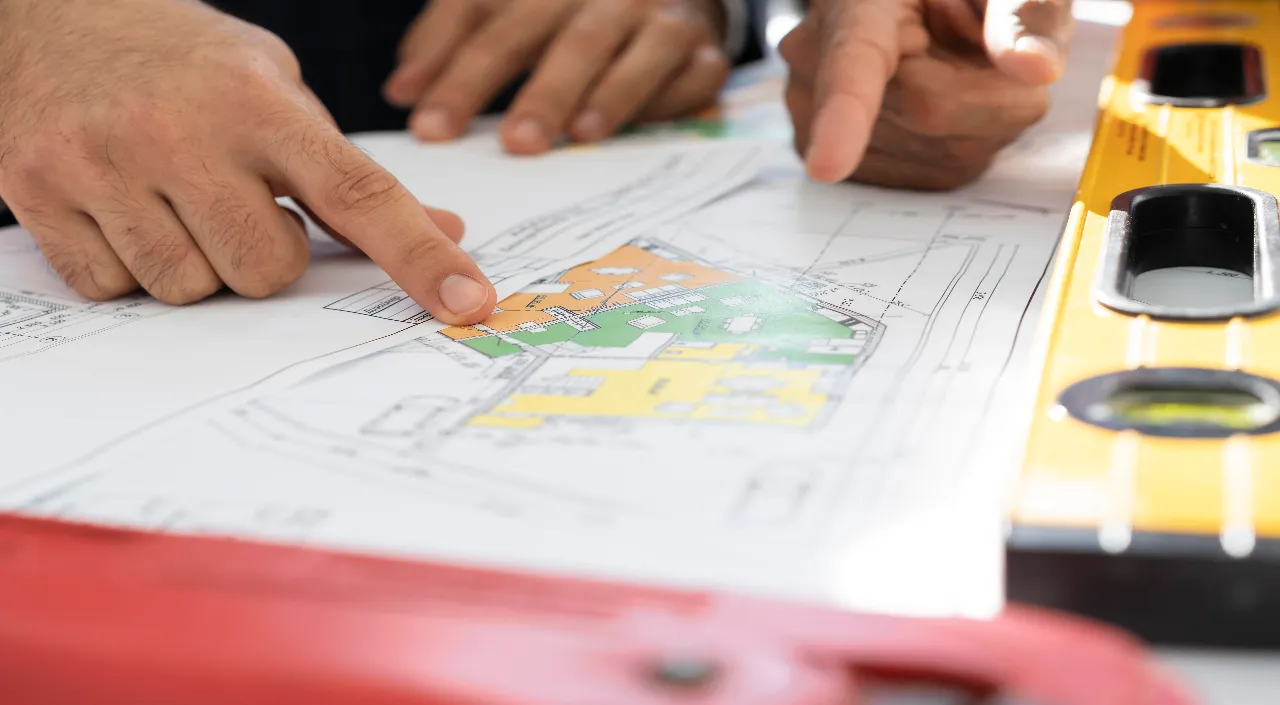
Therefore, analyzing the project site helps in making accurate design decisions for sustainability and cost-effectiveness.
The importance of involving specialists in analyzing project site selection
General expertise alone cannot be relied upon for site assessment. Rather, site selection must be done by multidisciplinary teams that include
- Civil engineers for soil and infrastructure inspection.
- Legal experts to examine properties and licenses.
- Environmental specialists to determine the environmental impact.
- Two urban planners to analyze the site as part of the area's comprehensive development plan.
Case studies illustrate the importance of site selection factors
-
A construction project in a mountainous area:
A recent study found that ignoring a site analysis on a project located in a mountainous area led to landslides and schedule delays. However, after retesting the project site and modifying the plans according to the recommendations, the project was saved from severe losses.
-
An industrial project near residential areas:
A project was denied a license because it was located too close to a residential community. If attention had been paid to site selection factors from the beginning, the waste of time and resources could have been avoided.
The role of modern technology in site testing
Today, analyzing a project site is no longer a traditional process, but relies on digital tools such as
- Aerial photos and accurate topographic maps.
- 3D models of the site.
- Geographic Positioning Systems (GPS).
- Geographic Information Systems (GIS) programs.
These tools help improve the accuracy of project site testing and provide accurate data to support decision-making.
The role of Hammam Al-Orouba Company (Hammamco) in selecting the right construction project site
Play Hammam Al-Orouba Company (HIMMCO) plays a pivotal role in the selection of a construction project site, by providing integrated services based on field experience and rigorous analysis. HIMMCO conducts a comprehensive site study that includes soil testing, infrastructure review, and analysis of relevant environmental and legal factors.
The company relies on modern technologies such as geographic information systems (GIS) and drones, allowing it to provide accurate site analysis that supports strategic decision-making in the early stages of a project. These services help identify optimal site selection factors, ensuring a successful start to any construction project and providing a stable and safe execution environment.
Conclusion
The importance of Site Selection Factors The right location for any construction project cannot be overstated, as it is the decision that lays the foundation for all subsequent stages of design, implementation, and operation. It requires an in-depth study, careful analysis, and a comprehensive evaluation of all geographical, economic, environmental, and legislative factors.
Ignoring a project site study often leads to delays in implementation, additional costs, and even project failure. Selecting a project site and implementing it in a scientific and systematic manner is a successful investment step that ensures the project runs smoothly and efficiently.
Analyzing project site selection should not be an option, but a necessity in the modern construction world.