




What is heat stress and ways to protect workers in Saudi Arabia 2025
Keeping workers safe while working in hot weather and avoiding heat stress is one of the biggest challenges facing the construction, industrial and field service sectors. As temperatures rise and exposure to direct sunlight increases, the risk of heat stress and other health issues becomes a foregone conclusion unless effective safety measures are taken.
Companies and organizations seek to provide a safe and comfortable working environment for workers, as adhering to heat protection is a legal and ethical responsibility that ensures the continuity of production and preserves the health of workers. With this in mind, Hammam Al-Orouba plays a vital role in developing and implementing integrated strategies to protect workers from the dangers of high temperatures, by applying the best safety procedures at various work sites.
In this article, we will review The importance of worker safety While working in hot weather, and the challenges they face, in addition to a set of preventive measures that must be followed to ensure a safe working environment, highlighting the solutions provided by HIMMCO to ensure heat protection and enhance occupational safety standards.
The importance of worker safety in hot weather and how to avoid heat stress
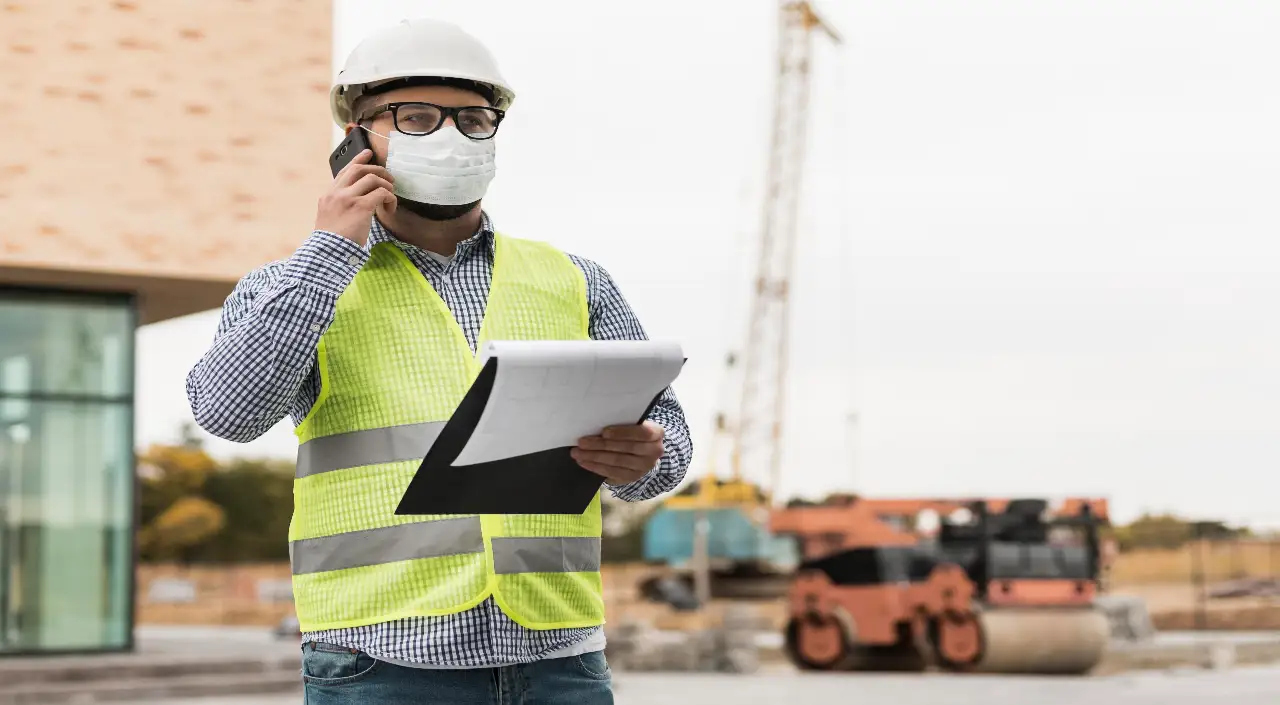
Adhering to worker safety measures during periods of high heat is a necessity, as hot weather directly affects the physical and psychological performance of workers, which can lead to decreased productivity and higher rates of accidents and injuries in the workplace. Here are some of the reasons why worker safety in the heat is a top priority:
-
Reducing the risk of heat stress:
is Heat stress One of the most serious health issues for people working in hot climates. This occurs when the body loses its ability to adapt to the heat, leading to dizziness, nausea, excessive sweating, and even heatstroke, which can be fatal if not dealt with quickly. Taking effective safety measures minimizes the likelihood of such incidents.
-
Improve productivity and performance:
When there is a proper work environment in terms of heat protection, workers feel more comfortable while performing their tasks, which contributes to better performance and increased productivity. Working in a hot environment without proper safety standards leads to rapid fatigue and reduced concentration, which can negatively affect the quality of work.
-
Minimize occupational injuries and accidents:
High temperatures increase the likelihood of accidents, especially in locations that require intense physical exertion or handling of heavy equipment. Heat exhaustion can lead to fainting or loss of balance, increasing the risk of falls and other injuries. So, taking Safety measures The right one minimizes these risks significantly.
-
Compliance with laws and regulations:
Many countries, including Saudi Arabia, impose strict laws to protect the safety of workers, especially while working in the heat. This requires the implementation of safety measures such as reducing working hours during peak heat periods, providing shaded rest areas, and providing sufficient amounts of water to ensure protection from the heat.
Challenges facing workers in hot weather
The challenges facing workers in hot climates are vital issues that directly affect their safety and productivity. Below is a more comprehensive breakdown of these challenges with added illustrations and specific details:
High temperatures:
Hot weather, especially during the summer, is a major challenge for workers in various sectors, whether in outdoor work such as construction and agriculture or in non-air-conditioned indoor work environments such as factories. In some areas, temperatures can rise to extreme levels of over 40 or even 50 degrees Celsius, disrupting the body's natural ability to regulate its temperature by sweating and dissipating heat. This rise can lead to a host of health issues, such as heat stress, heat stroke, heat cramps, or even death in severe cases. The high humidity associated with the heat in some areas makes the situation even more difficult, as it hinders the evaporation of sweat, the body's primary cooling mechanism, compounding the risks to workers.

Lack of awareness of the dangers of heat:
Many workers suffer from a lack of awareness of Risks caused by working in hot climates, whether due to a lack of education or a lack of dedicated awareness programs by employers. This lack of knowledge makes workers less able to recognize early signs of heat stress, such as dizziness, headaches, or nausea, which may delay preventative measures. Moreover, some workers may not know the importance of constant hydration or the use of protective devices such as hats and sunglasses. Therefore, it becomes necessary to develop comprehensive training programs that focus on teaching workers how to deal with the heat, including recognizing symptoms, using personal cooling techniques, and following safety guidelines. These programs can also include the distribution of simple awareness materials such as posters or brochures in multiple languages to ensure the message is comprehensive.
Lack of proper personal protective equipment:
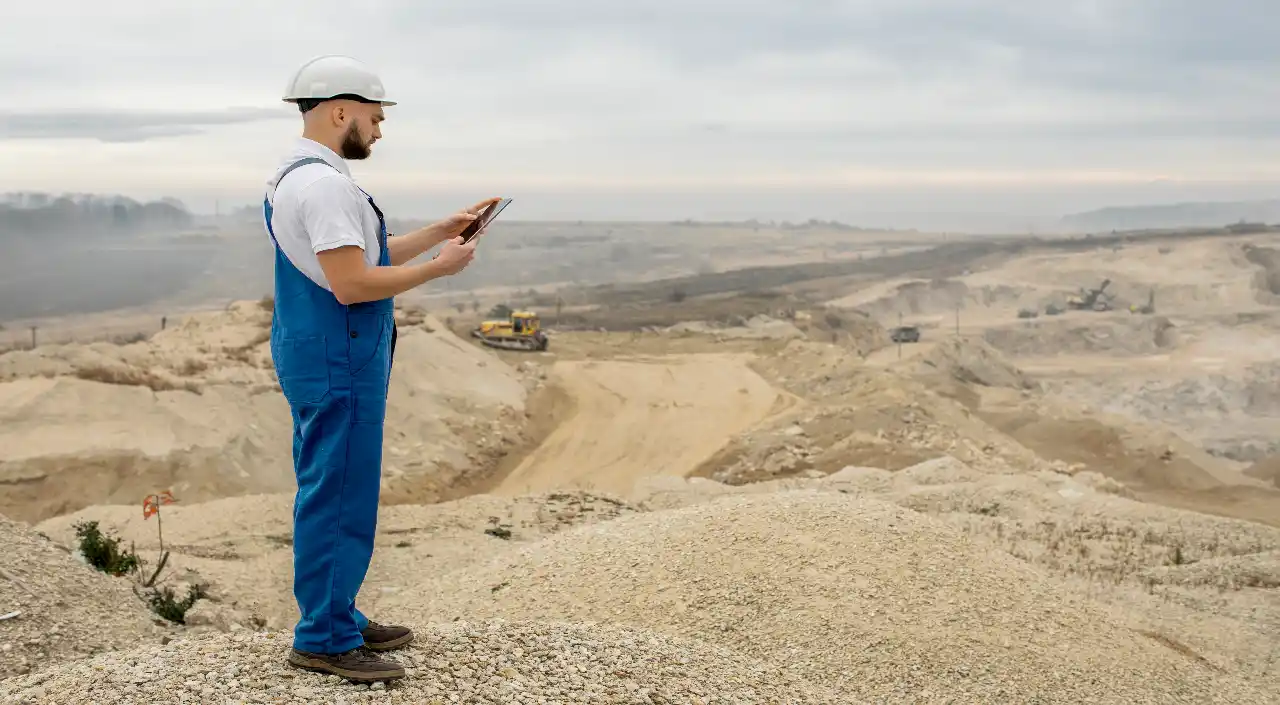
In harsh work environments such as construction sites, factories, or mines, workers are often required to wear heavy protective clothing, helmets, and closed shoes to ensure safety from mechanical or chemical hazards. But in hot climates, this equipment becomes an added burden, preventing natural ventilation and increasing the accumulation of heat inside the body, raising the risk of heat stress. For example, thick, non-breathable clothing prevents sweat from evaporating, while heavy shoes can cause feet to overheat. To solve this issue, employers should provide personal protective equipment specifically designed for hot climates, such as clothing made of light and breathable fabrics, light-colored, sun-reflective fabrics, and vented helmets. Portable cooling devices such as cooler jackets or wet headgear can also be used to reduce the impact of the heat on workers.
Insufficient rest periods:
Working for long periods of time nonstop in high temperatures poses a major threat to workers' health. Continuous exposure to heat without adequate breaks depletes the body's fluids and salts, increasing the risk of dehydration, low blood pressure, or fainting. In some cases, workers may be forced to continue working under pressure of productivity or due to the absence of clear policies to regulate working hours in hot conditions. For example, some may work for 6-8 hours continuously under the sun with no opportunity to sit in the shade or drink water. To address this challenge, periodic breaks should be scheduled, such as 10-15 minutes every hour or two depending on the intensity of the heat, with shaded or air-conditioned places to rest. It is also recommended to adjust working hours to avoid peak heat (12-3pm) and encourage workers to regularly drink water and refreshments during these periods.
Worker safety procedures In hot weather
To ensure the safety of workers while working in a hot environment, a set of effective safety measures must be implemented, which include the following:
-
Provide cold water and refreshments:
Workers should be encouraged to drink water regularly to replace fluids lost due to sweating, as dehydration is one of the main causes of heat stress that may affect workers' performance and health. It is advisable to provide sufficient quantities of cold water at work sites, in addition to drinks rich in mineral salts, to ensure protection from the heat and prevent any health complications.
-
Modify work schedules:
To mitigate the impact of hot weather on workers, adjust work schedules so that strenuous tasks are performed during early morning or evening periods, when temperatures are less intense. Reducing periods of continuous work and increasing breaks in shaded or air-conditioned areas can reduce the likelihood of heat stress and enhance worker safety.
-
Provide appropriate work clothes:
Choosing the right clothing is one of the key factors in protecting workers from heat stress. Wearing light, light-colored clothing reduces heat absorption and allows the body to breathe. Breathable and sweat-absorbing fabrics are also preferred, which enhances heat protection and minimizes the impact of hot weather on workers' health.
-
Equip work sites with umbrellas and rest areas:
Shaded areas equipped with fans or air conditioners should be provided to ensure that workers can rest in a relatively cool environment, which helps them regain their energy and minimize their exposure to heat hazards. Designating cool rest areas is one of the most important safety measures, as workers can take regular breaks to protect themselves from heat exhaustion.
-
Provide training courses on heat stress prevention:
Raising workers' awareness about the dangers of hot weather and how to deal with heat stress can help enhance worker safety and minimize occupational accidents. It is advisable to provide specialized training courses that teach workers about the symptoms of heat stress and how to respond to them, as well as instructions on how to act in emergency situations, such as providing first aid to their colleagues when they experience health complications due to high temperatures.
HAMMCO's role in ensuring workers' safety in hot weather and protecting them from heat stress
Hammam Al-Orouba Company (Hammamco) is a leading provider of integrated solutions to ensure the safety of workers while working in hot climates, as the company relies on applying the latest safety procedures to ensure a safe and effective work environment. Hamamco seeks to protect workers from the risks of heat stress by providing advanced personal protective equipment that helps minimize the impact of high temperatures on the body, such as heat-reflective clothing and helmets with cooling pads, which reduces workers' exposure to heat stress while performing their daily tasks. The company is also developing innovative cooling systems in the workplace, whether through the installation of advanced cooling units or the use of large industrial fans to ensure good ventilation, which contributes significantly to achieving heat protection.
In addition, HIMMCO places great importance on spreading a culture of occupational safety among workers and conducts extensive training programs aimed at raising awareness about heat protection and teaching workers how to recognize the symptoms of heat stress and act quickly in case of any health emergency due to the hot weather. Technology is also a key component of HIMMCO's strategies. The company is implementing smart solutions to monitor temperatures and humidity levels at work sites, helping to take the necessary measures immediately when temperatures rise to dangerous levels, thus enhancing safety measures and ensuring an optimal work environment that minimizes the risks of high temperatures and keeps workers safe in different climatic conditions.
Conclusion
Ensuring the safety of workers in hot weather and protecting them from heat stress requires a serious commitment to implementing effective safety measures to minimize the risk of heat stress. By implementing heat prevention measures, injuries can be minimized and productivity can be improved. Play Hemamco has played a leading role in promoting occupational safety standards, making it a reliable partner to ensure a safe and healthy work environment.