




The importance of scheduling and planning in construction projects
Scheduling and time planning in construction projects is an essential element to ensure that projects are completed according to set deadlines, as it requires coordination between many parties, such as contractors, engineers, and suppliers, to control the workflow efficiently. The success of construction projects depends on accurate scheduling and effective time management, as delays in projects can lead to financial losses, legal implications, and operational disruptions. Accurate scheduling and adherence by all parties is critical to ensure efficient and high-quality project execution.
As construction projects become increasingly complex and multi-phase, planning with advanced schedules has become indispensable to avoid potential obstacles and ensure a smooth flow of activities.
In this article, we will discuss the importance of time planning, its effects on project success, and best practices to ensure punctuality, while highlighting modern tools that improve time management and minimize the risk of project delays.

The importance of time planning in construction projects
constitutes Time planning A key pillar in ensuring that construction projects are carried out on time, as it helps to:
-
Set start and end dates for each phase of the project:
Establishing accurate timelines allows you to define timeframes for each phase, ensuring logical sequencing and minimizing the chances of conflicts between different activities.
-
Minimize the risk of project delays:
Project delays are one of the main challenges facing the construction industry, leading to additional costs and rescheduling of work. Effective time planning helps to anticipate potential obstacles and take preventive measures.
-
Balancing quality and time:
A good schedule ensures a balance between speed of execution and quality of construction, helping to allocate resources effectively without compromising quality standards.
-
Improved time management and resource allocation:
Planning optimizes the use of labor, equipment, and materials, helping to reduce downtime and increase efficiency.
-
Compliance with legal and contractual requirements:
Most construction projects require meeting specific deadlines, and project delays can result in financial penalties or lawsuits. Time planning helps avoid these risks.
Causes of project delays and their impact on the schedule
Despite the importance of planning, many factors can lead to project delays, including:
-
Supply and material issues:
Delays in the supply of essential materials and equipment can disrupt workflow, leading to disrupted schedules and delayed project delivery. These issues can arise due to supply chain disruptions, delayed shipments, or shortages of certain materials in the market. Proactive measures such as pre-planning the supply of materials, contracting with reliable suppliers, and making alternative plans are necessary to ensure that materials are available at the right times without affecting the progress of construction projects.
-
Lack of labor or inefficiency:
The availability of qualified and trained labor is essential to ensure that the project runs on schedule, as construction projects rely heavily on the efficiency of work teams to execute tasks with high quality and accuracy. Labor shortages, whether due to a lack of available labor or high employee turnover rates, can lead to slow execution and increase the likelihood of project delays. Poorly skilled or unskilled workers can cause errors that require rework, negatively impacting productivity and delaying project milestones. Implementing effective time management strategies, such as continuous training, improving working conditions, and providing incentives is essential to ensure high-quality performance and smooth progress on schedule.
-
Poor time management and lack of coordination between parties:
Poor time management and poor coordination between the various parties involved in construction projects are key factors that lead to disrupted schedules and delays in the execution of planned activities. When there is no careful planning or effective communication between contractors, suppliers, and consultants, gaps arise that disrupt workflow and delay the completion of critical tasks. This may occur as a result of overlapping work, unclear responsibilities, or delays in making necessary decisions. Ensuring effective coordination between all parties, through regular meetings and the use of modern project management systems, helps improve time management, minimize errors, and promote adherence to deadlines as planned in the project schedule.
-
Design changes and modifications during implementation:
Unplanned design modifications can disrupt the schedule and increase execution time in construction projects, especially if they require rework or modification of plans. These changes often arise due to owner requests, unforeseen issues, or new regulatory requirements, which negatively impacts time management and may delay projects. Minimizing sudden adjustments through careful planning, reviewing designs in advance, and ensuring all parties are on the same page prior to the start of construction, helps adhere to timelines and achieve smooth project progress.
-
Weather conditions and environmental factors:
Environmental factors play a large role in determining the speed of execution in construction projects, especially in outdoor works that are affected by climatic changes such as storms, rain, or high temperatures. These conditions can lead to work stoppages, delay the supply of materials, or even affect the quality of execution, disrupting schedules and affecting time management. Developing contingency plans to deal with these factors, such as scheduling critical work according to weather forecasts, using materials that can withstand extreme conditions, or providing alternatives to ensure work continues, helps minimize project delays and progress on schedule.

Time planning best practices to avoid project delays
To ensure deadlines are met, the following best practices can be followed:
-
Prepare an accurate and detailed schedule:
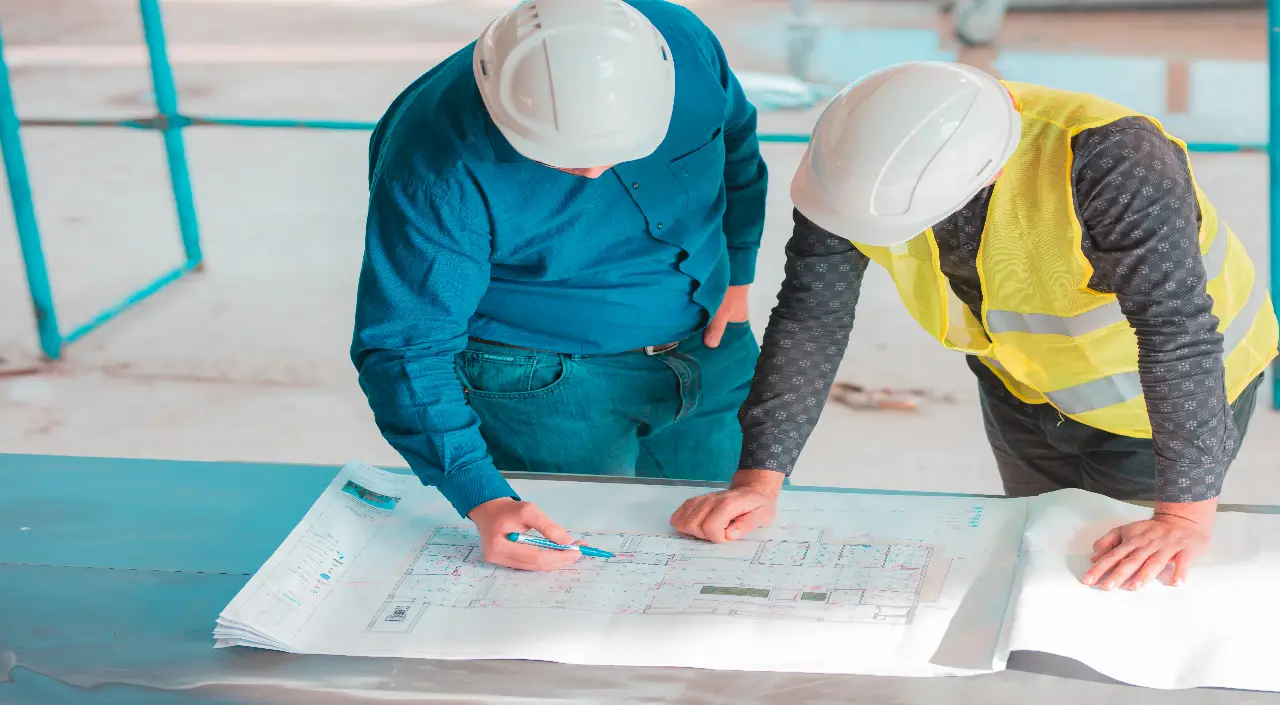
Effective planning in Construction projects Develop clear and comprehensive timelines covering all activities and milestones, from excavation to final handover. The schedule should include start and end dates for each task, with relationships between activities defined to ensure a smooth flow of work. This approach helps improve time management, avoid conflicts, and minimize the risk of project delays. Regularly updating the schedule as the work progresses allows you to adapt to any unforeseen changes, ensuring that the project is on schedule and running efficiently.
-
Utilizing modern software for schedule management:
Specialized software such as Primavera P6 and Microsoft Project help create accurate and flexible schedules to efficiently manage construction projects. These tools allow the project to be broken down into detailed tasks, set start and end dates, and analyze the Critical Path to determine which activities have the most impact on the duration of the project. It also improves time management by updating schedules based on work progress, helping to detect potential delays and take action to avoid project delays. In addition, the software enables coordination between different parties and enhances transparency, resulting in greater adherence to the planned schedule.
-
Continuously monitor and update the schedule regularly:
To ensure that construction projects are carried out according to plan, it is necessary to conduct regular follow-up on the work phases and keep schedules up to date. This helps assess actual progress against the plan, allowing any delays to be detected early and measures taken to avoid disrupting the project. The update process should include reviewing the start and end dates for each activity, reallocating resources when needed, and addressing any challenges that may affect time management. These regular reviews improve coordination between different parties and ensure that objectives are achieved within the set timeline, minimizing the risk of project delays and ensuring that work is completed efficiently and to the highest quality standards.
-
Time management Efficiently and minimize downtime:
Good planning minimizes unnecessary interruptions, ensuring that construction projects run smoothly and on schedule. Effective coordination between different teams helps optimize the use of resources and avoid delays. Continuous monitoring and quick decision-making minimizes the risk of project delays, enhancing schedule adherence, efficiency, and quality.
-
Dealing with risk flexibly:
The ability to adapt to challenges is essential to ensure that construction projects are successful and meet timelines. Therefore, alternative plans must be developed to address potential risks, such as project delays due to supply issues or unforeseen design modifications. Pre-analyzing risks and developing proactive strategies can help minimize the impact of these factors on the schedule. Continuous coordination between all parties helps to make quick and effective decisions to keep the workflow uninterrupted, which enhances execution efficiency and ensures that goals are achieved as planned.
Technology and its role in optimizing construction project timelines
is a Modern technology A powerful tool for managing time and improving the accuracy of schedules:
- Artificial Intelligence and Data Analytics:
AI techniques are used to analyze patterns and anticipate potential issues that may affect the schedule.
- Using drones to track progress:
Drones help track project progress in real time, allowing planners to make proactive adjustments to schedules.
- Cloud project management systems:
Cloud-based systems provide real-time updates to all parties involved, making it easier to coordinate and ensure adherence to the timeline.
Hammam Al-Orouba's role in time planning in construction projects
The company plays Hemam al-Arouba (HIMMCO plays a pivotal role in the time planning of construction projects, relying on the latest methods and techniques to ensure the preparation of accurate and efficient schedules that contribute to achieving the set goals without delaying the projects. Through its extensive experience in time management, HIMMCO develops the schedule for each project based on a comprehensive analysis of resources, manpower, and potential challenges, ensuring that the work proceeds smoothly within the specified time frame. The company also utilizes advanced systems to track work execution and update schedules based on changes in the field, enhancing operational efficiency and minimizing the risks associated with delays. Thanks to its strategic approach, HAMMCO improves the productivity of teams, balances quality and speed, and ensures that construction projects are completed on time and to the highest standards.
Conclusion
Planning and adhering to timelines is a critical factor in the success of construction projects, as it helps control time management, minimize project delays, and improve productivity. The success of schedules depends on accurate preparation, continuous follow-up, and the use of modern technologies to ensure efficient project execution.
By adopting robust time management strategies, obstacles that lead to project delays can be avoided, ensuring that construction projects are executed on schedule and improving the overall efficiency of the construction industry.