




استخدام مواد البناء المعاد تدويرها لتعزيز الاستدامة 2026
What recycled building materials can be reused in the construction industry?
Using recycled building materials is the best solution In the face of increasing environmental challenges, such as the depletion of natural resources and rising carbon emissions, the construction industry is under pressure to adopt more sustainable practices. The industry is one of the largest consumers of raw materials, contributing around 40% of global solid waste and30% of greenhouse gas emissionsaccording to UN reports. Hence, the use of Recycled building materials As an innovative solution that combines waste minimization, resource conservation, and construction quality.
This is part of the concept of Sustainable constructionwhich aims to design buildings that are energy efficient, environmentally friendly, and long-lived. Despite the environmental and economic benefits of these materials, they face technical, economic, and cultural challenges that hinder their popularization. In this article, we review the definition of recycled building materials, their benefits, types, challenges, strategies to overcome them, and a look at the future of this approach in the construction industry.
What are recycled building materials?
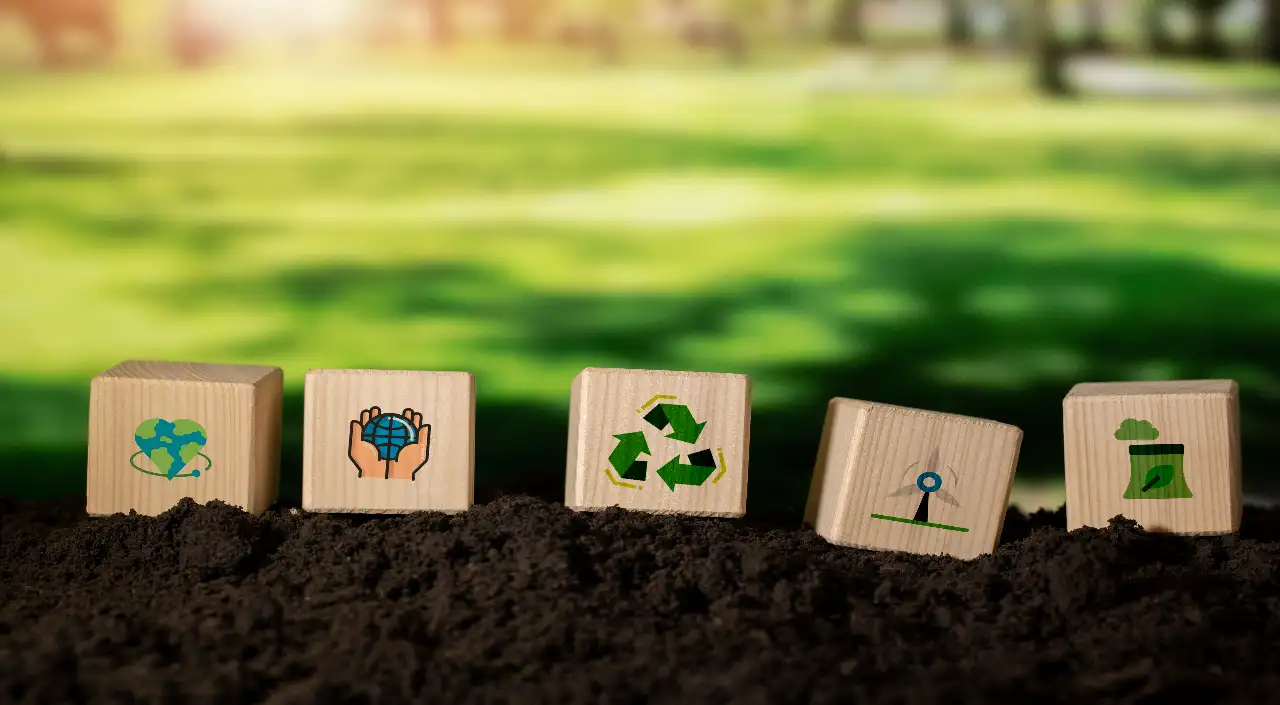
Chir Recycled building materials refers to materials that are recovered from construction, demolition, or other industries and then processed for reuse in new construction projects. These materials include:
-
Concrete: It is broken into small granules that are used as aggregate in concrete mixes.
-
Minerals: Like iron and aluminum, they are remelted and reshaped.
-
Wood: Processed to produce boards or furniture.
-
Glass: Smelted to make slabs or tiles.
-
Plastic: Converted into insulation or flooring components.
-
Gypsum: Recycled to produce new gypsum board.
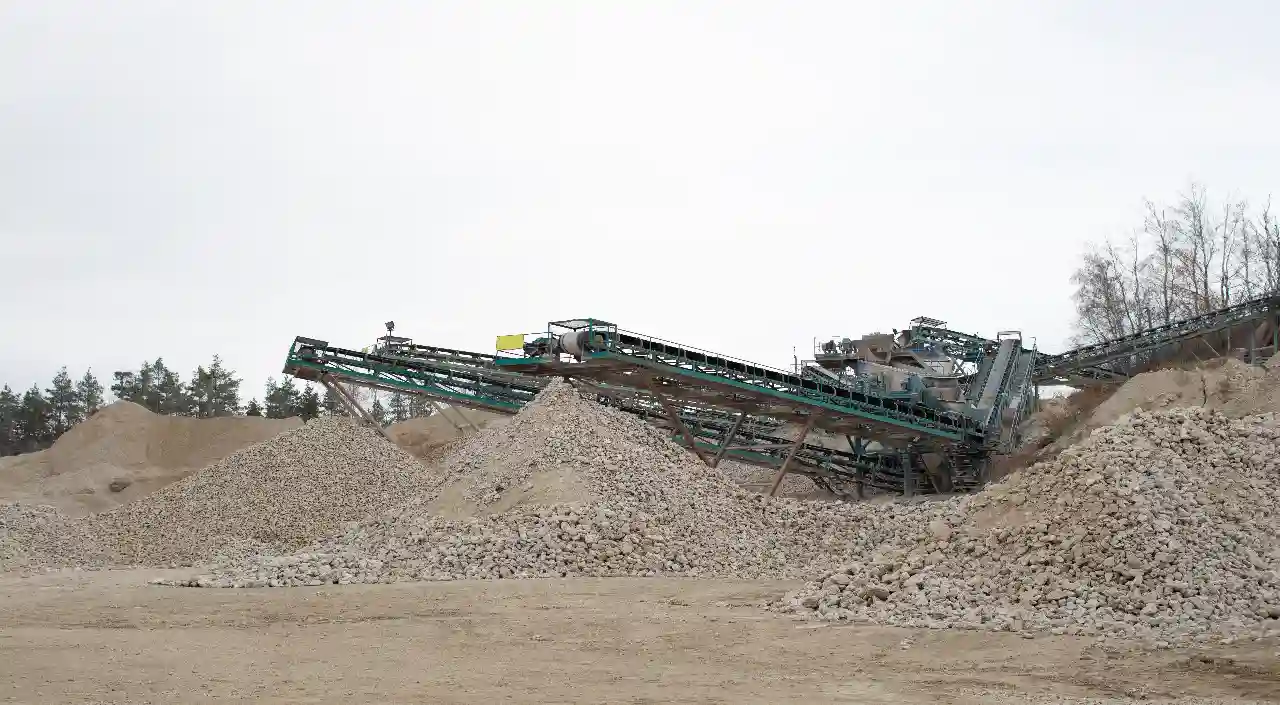
These materials are part of the Circular economyresources are reused rather than discarded, reducing reliance on primary resources such as sand, gravel, and minerals. It also contributes to reducing the carbon footprint by up to 20-30% compared to traditional materials, according to sustainability studies.
What is the circular economy?
The circular economy is an innovative economic model that aims to maximize the use of resources by reducing waste and promoting reuse. It focuses on reducing raw material consumption, waste, and carbon emissions by optimizing supply chains and streamlining production processes. Instead of the traditional linear pattern (extract-produce-dispose), the circular economy is based on a continuous cycle that includes Recyclingand, uh. RemanufacturingandReuse for materials such as metals, plastics, and energy.
The circular economy maximizes the value of resources in all their forms, whether natural raw materials or manufactured products, by designing sustainable production and consumption systems. For example, construction waste can be recycled to produce new materials, or used plastics can be turned into fibers for the textile industry. This approach not only reduces pollution and waste, but also boosts efficiency and protects ecosystems.
Economically, the circular economy opens doors to new investment opportunities, such as setting up recycling plants or developing sustainable technologies, boosting economic growth and creating jobs. Socially, it improves the quality of life by reducing pollution and raising awareness of the importance of resources. Environmentally, it reduces the carbon footprint by up to 30% in some industries, according to the World Economic Forum.
The concept of a circular economy is not new, but rather goes back decades, as industrialized countries after World War II began using technology to remanufacture and recycle materials. For example, in the 1950s, Europe saw initiatives to recycle metals to meet the demand for raw materials. Today, the circular economy is a key pillar of global sustainability strategies, such as Saudi Vision 2030, which encourages waste minimization and promotes recycling in sectors such as construction and manufacturing.
Benefits of using recycled building materials
Availability Recycled building materials Environmental, economic, and social benefits, making it an attractive option for developers and engineers. These benefits include:
1. Minimize environmental impact
-
Waste minimization: About 70% Construction and Demolition Waste into reusable materials, reducing the amount of waste in landfills.
-
Reducing emissions: Recycling concrete and metal consumes less energy 40-60% compared to producing new materials.
-
Resource Conservation: Reduce the extraction of raw materials such as sand and limestone, protecting ecosystems.
2. Cost savings
-
Cheaper materials: Recycled concrete, for example, costs 15-20% of new concrete in some markets.
-
Economic operation: Buildings that use recycled materials are often more energy efficient, reducing electricity and maintenance bills in the long run.
3. Supporting the circular economy
-
Material reuse promotes an economic system based on recycling rather than linear consumption (extract-use-dispose).
-
It creates jobs in recycling sectors, such as material collection, processing, and the production of new products.
4. Reputation and Marketing Optimization
-
Projects with green labels (e.g. LEED or BREEAM) Attracts sustainability-minded investors and customers.
-
Enhances companies' reputation in the market as leaders in environmental responsibility.
5. Improving quality of life
-
Sustainable buildings provide healthier indoor environments thanks to the use of low-emission materials.
-
They contribute to reducing local pollution, which improves air and water quality in surrounding communities.
Types of recycled building materials
Recyclable materials for construction are numerous, varying in ease of processing and applications. The main types include:
-
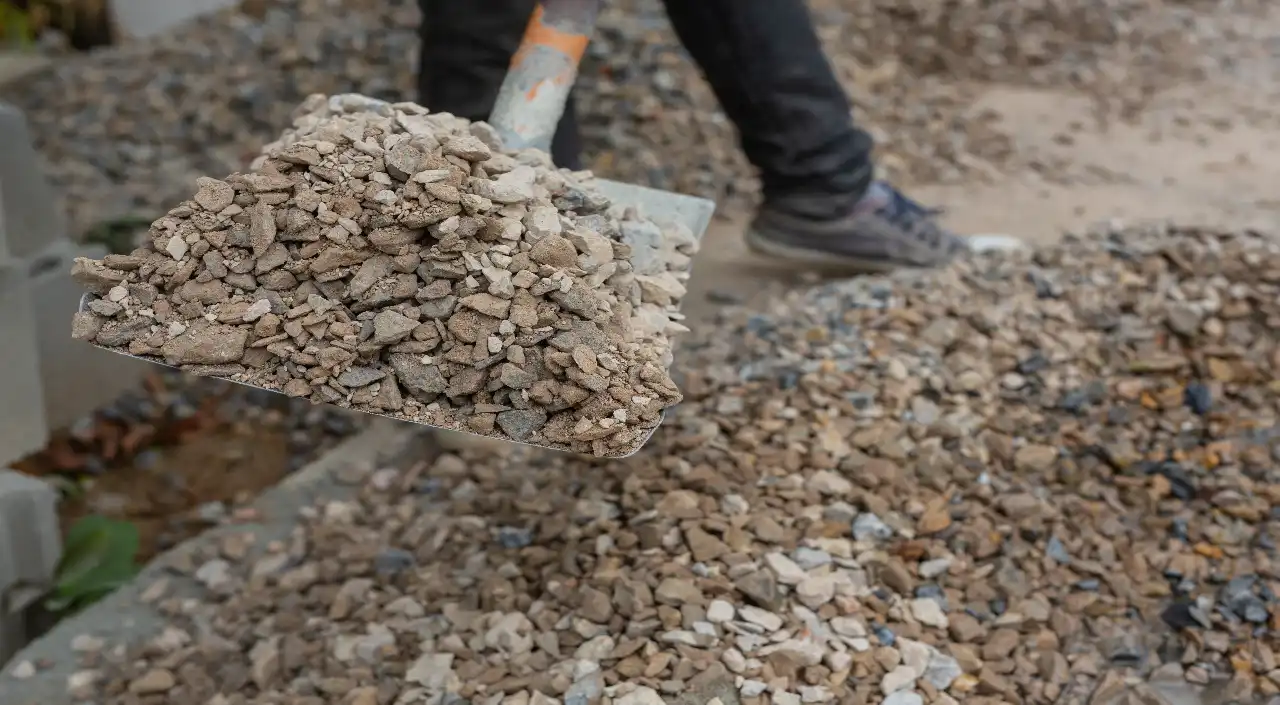
Recycled concrete:
-
Applications: Road aggregates, building foundations, or new concrete mixes.
-
Feature: Reduces sand and gravel consumption by up to 50%.
-
-
Metals (iron and aluminum):
-
Applications: Building frames, roofs, pipes.
-
Feature: Can be recycled by 90% without losing quality.
-
-
Recycled wood:
-
Applications: Floorboards, furniture, interior structures.
-
Feature: Reduces logging and preserves forests.
-
-
Recycled glass:
-
Applications: Tiles, glass surfaces, insulation.
-
Feature: Reduces energy consumption in production by 30%.
-
-
Recycled plastic:
-
Applications: Thermal insulation, floor coverings, pipes.
-
Feature: Converts plastic waste into functional materials.
-
-
Recycled gypsum:
-
Applications: Wall panels, interior finishes.
-
Feature: Reduces the waste generated by demolition work.
-
Each material requires special processing techniques, but utilizing them properly enhances the sustainability of projects andReducing costs.
Challenges to recycling building materials
Despite the benefits, recycled building materials face challenges that hinder their widespread adoption:
1. Quality of recycled materials
-
Problem: Some materials, such as concrete or recycled wood, may lose strength or contain impurities, raising concerns about their safety in load-bearing applications.
-
Example: Recycled concrete may have a high dust content, which reduces its cohesion.
-
Solution: Develop advanced processing techniques (e.g. fine screening) and conduct rigorous quality testing.
2. Lack of recycling infrastructure
-
Problem: In Gulf countries, such as Saudi Arabia, recycling facilities for building materials are still limited, making it difficult to provide materials in large quantities.
-
Example: Few plants in the region are able to efficiently process concrete.
-
Solution: Invest in local recycling facilities supported by the public and private sectors.
3. High initial costs
-
Problem: Material collection, separation, and processing require significant upfront investment, making them less attractive to developers with limited budgets.
-
Example: Recycling plastics to produce insulation may be more expensive 10-15% from using new materials.
-
Solution: Provide tax incentives or government subsidies to companies that use recycled materials.
4. Laws and regulations
-
Problem: Some countries lack clear standards for the use of recycled materials, leading to delays in approvals or rejection of projects.
-
Example: In some areas, recycled concrete requires additional costly testing to meet building code.
-
Solution: Developing standardized systems for certifying recycled materials, such as the ISO 14001 for sustainability.
5. Lack of awareness and cultural acceptance
-
Problem: Some developers and customers are reluctant to use recycled materials because of the perception that they are lower quality or unreliable.
-
Example: Traditional building contractors may favor new materials to avoid risk.
-
Solution: Awareness campaigns and workshops to educate the real estate community about the benefits of these materials.
6. Limited availability
-
Problem: In some regions, recycled materials are not available in sufficient quantities or require transportation from distant locations, increasing costs.
-
Solution: Establish regional networks for the distribution of recycled materials.
Strategies to overcome recycling challenges
To promote the use of recycled building materials, the following strategies can be adopted:
-
Investing in Infrastructure:
-
Establish advanced recycling plants capable of processing large quantities of concrete, metals, and plastics.
-
Supporting partnerships between governments and the private sector to finance these facilities.
-
-
Research and development:
-
Funding research to improve the quality of recycled materials, such as developing techniques to remove impurities from concrete.
-
Collaborate with universities to create new materials from waste, such as bioplastics.
-
-
Modifying government policies:
-
Provide financial incentives (such as tax breaks) for projects that use a certain percentage of recycled materials.
-
Establish national standards for the use of these materials in the building code.
-
-
Raising Community Awareness:
-
Organize awareness campaigns for developers, engineers, and customers to explain the benefits of recycled materials.
-
Showcase success stories of sustainable projects that have used these materials (e.g. LEED-certified buildings).
-
-
Collaboration with specialized companies:
-
Partnering with global companies such as Holcim or Lafarge which offers innovative solutions in concrete recycling.
-
Exchange experiences with leading countries in sustainability, such as the Netherlands and Germany.
-
The future of building with recycled building materials
The world is undergoing a radical shift towards sustainability, driven by environmental legislation. Technological progressand increasing community awareness. In this context, recycled building materials are expected to become an essential part of the construction industry by 2030Especially with:
-
New technologies: 3D printing using recycled concrete, which is already being used in pilot projects in Dubai and the Netherlands.
-
Stricter legislation: Countries like the European Union are starting to mandate minimum percentages for the use of recycled materials in government projects.
-
Reduced costs: As recycling technologies evolve, these materials will become more competitive compared to traditional materials.
-
Market demand: Consumer demand for green buildings is on the rise, prompting companies to adopt these materials to meet customer expectations.
In Saudi Arabia, Vision 2030 supports this trend through initiatives such as the National sustainabilitywhich encourages the use of sustainable materials in major projects such as Neum andKadia. These projects are expected to be a global model for incorporating recycled building materials into construction projects.
Conclusion
يُمثل استخدام مواد البناء المعاد تدويرها مثل إعادة تدوير الخرسانة خطوة حاسمة نحو مستقبل أكثر استدامة في صناعة البناء. من خلال تقليل النفايات، خفض الانبعاثات، وتوفير التكاليف، توفر هذه المواد حلولًا عملية لمواجهة التحديات البيئية والاقتصادية. ومع ذلك، تتطلب التحديات مثل جودة المواد، نقص البنية التحتية، والوعي المجتمعي جهودًا مشتركة من الحكومات، الشركات، والمجتمع.
By investing in new technologies, improving policies, and raising awareness, recycled building materials can be transformed from a secondary option to an essential standard in construction projects. Ultimately, this approach is an investment in a cleaner environment, a stronger economy, and a future that respects the rights of future generations.