




The power of value engineering and its role in reducing construction costs
With rapid urbanization and increasing demand for construction projects around the world, the need for innovative engineering solutions that strike a balance between quality and cost has never been greater. Among these solutions are Value engineering as an effective tool to achieve cost reduction without affecting the quality or performance of the structures. When combined with modern technologies such as post-tensioned concrete, this methodology opens up new possibilities for the development of the construction sector and economic efficiency in large-scale projects.
It's not limited to large or luxurious projects, but can be applied even in medium and small projects. By combining analytical thinking with engineering creativity, teams can achieve impressive results that result in financial savings and smoother implementations.

What is value engineering?
Concept and basics
Value engineering, or Value Engineering, is a structured analytical process that aims to improve the value of a project by studying all its elements with the aim of enhancing performance and reducing cost without affecting quality. This methodology is based on a careful review of each component of the design and implementation, assessing its necessity and the possibility of replacing it with more efficient and less costly alternatives. The methodology is based on collaboration and teamwork between specialists from multiple disciplines, ensuring that the assessment is comprehensive and the solutions are effective and appropriate. Thanks to this multiplicity of expertise, smart decisions can be made that positively impact all aspects of the project
The difference between value engineering and cost reduction
It is important to distinguish between value engineering and traditional cost-cutting attempts. Value engineering does not aim to reduce costs, but rather seeks to increase value for money. In other words, materials or methods may be replaced with others that are of higher quality but more efficient, resulting in lower operational or long-term costs. The traditional approach of cutting the budget may sometimes compromise the quality of the project, which loses its intrinsic value, but value engineering protects this balance and maintains the desired performance in the best way.

The importance of value engineering in construction projects
Its role in achieving efficiency
One of its most notable benefits in the construction industry is that it helps in making smart and thoughtful decisions that reduce costs without sacrificing the quality of the project. For example, this methodology may contribute to the selection of a particular execution method, such as the use of Post-tensioned concreteto achieve significant material and time cost savings. Value engineering also stimulates creative thinking in the planning stages, allowing for the development of flexible and more efficiently executable designs, reducing the likelihood of rework or delays in the implementation process.
Reduce waste and optimize scheduling
When applied, all phases of a project, from design to implementation, are re-evaluated to minimize waste and optimize the use of resources. This has a positive impact on project timelines and contributes to on-time and on-budget delivery. Thanks to this methodology, many indirect costs, such as delays and contingency costs during implementation, can be avoided, enhancing the overall success of the project.
The relationship between value engineering and modern construction techniques
1: Incorporate post-tensioned concrete into the value analysis.
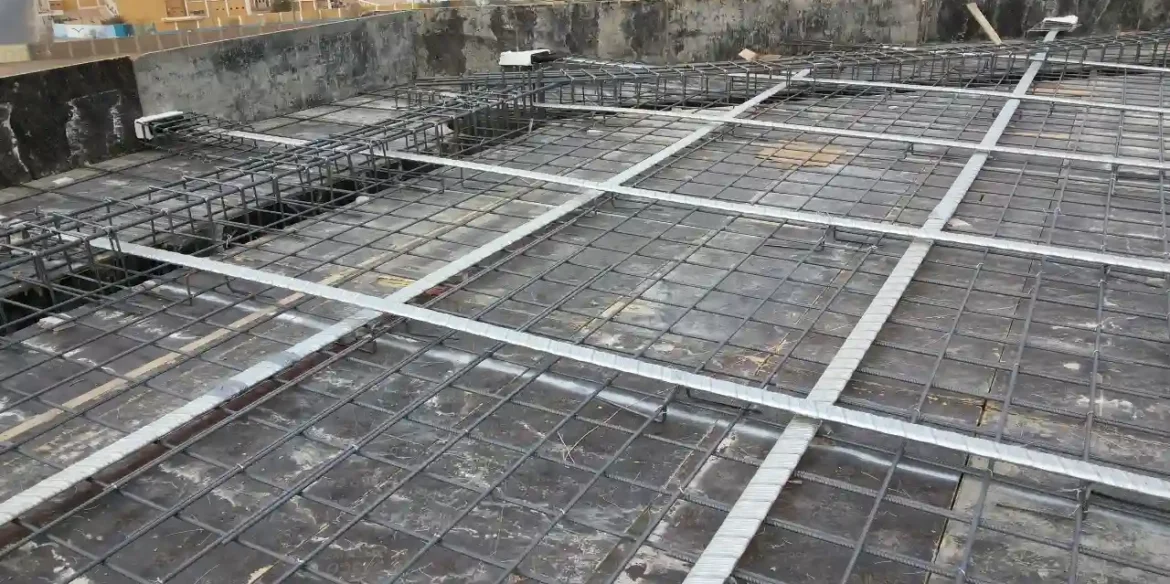
The Post-tensioned concrete It is a modern technology that contributes to increasing construction efficiency and minimizing the amount of materials used, and is therefore an ideal choice. This technique uses steel cables that are tightened after the concrete is poured, giving the structural element additional strength and reducing the need for large thicknesses. This method allows for less use of steel and concrete, which contributes to reducing overall costs. It also enhances the facility's ability to withstand high loads without the need for additional reinforcement. Therefore, incorporating this technique into the value analysis is one of the most important factors in enhancing the economic and technical performance of the project.
2: Case study on the use of post-tensioned concrete in high-rise towers.
In one commercial tower project, post-tensioned concrete was used instead of conventional concrete, resulting in a reduction in the amount of steel by 20% and a reduction in roof thickness by 25%. This change helped reduce the construction cost directly and significantly. It also accelerated the construction process due to the lighter weight and reduced size of the molds. The solution had no negative impact on the quality or safety of the building, but rather enhanced its durability. This experience is a successful model that can be replicated in similar projects to achieve financial and construction savings.
3: Integration with digital modeling
The efficiency of value engineering can be greatly enhanced when combined with building information modeling techniques (BIM), which allows the entire project elements to be simulated before implementation. This technology allows for early identification of potential weaknesses and proactive solutions that minimize risks. It also helps to test design alternatives in a safe digital environment. By analyzing different scenarios, the most efficient and cost-effective solution can be selected. This integration of value engineering and BIM enhances planning accuracy and minimizes wastage of time and money.
Stages of implementing value engineering in projects

The first stage: Study of information
At this stage, everything related to the project, including drawings, bills of quantities, and specifications, is collected and analyzed to identify potential points of improvement. This requires close collaboration between the value engineering team and the rest of the stakeholders to understand expectations and priorities. The costs of different items are also checked and compared with similar projects. This study helps build an accurate knowledge base to be used in the next stages. It is a pivotal step in ensuring that the value analysis process is thorough and effective.
Phase Two: Functional Analysis
Each element is studied according to its function, and an important question is asked: "Is there an alternative method that performs the same function at a higher quality or lower cost?" This is where technologies such as post-tensioned concrete are presented as potential solutions. This stage is based on an objective comparison of the available alternatives based on their performance and function. Elements that can be eliminated or combined to minimize redundancy and waste are identified. This analysis is the backbone in uncovering opportunities to reduce costs without compromising quality.
The third stage: Creativity and innovation
Brainstorming sessions are held to generate as many alternatives as possible, including adopting flexible structural solutions, new installation techniques, or even rearranging the project schedule to achieve cost savings. Thinking outside the box and exploring unconventional solutions is encouraged at this stage. Global experiences and lessons learned from previous projects are also considered. The goal is to generate a diverse list of proposals that can be developed in subsequent phases to make them more realistic and feasible.
Fourth stage: Evaluation and selection
Alternatives are evaluated based on their technical and financial efficiency, and the most appropriate one is selected based on the feasibility of its implementation and its impact on the rest of the project components. A detailed study is prepared for each alternative, including costs, time, and expected quality. The compatibility of the alternatives with the approved architectural and structural systems is taken into account. Solutions that may cause conflicts in the implementation phases are excluded. The optimal solution that achieves the highest possible value at the lowest possible cost is selected.
Fifth stage: Implementation and follow-up
The selected solutions are implemented and their actual impact on the project in terms of performance and cost is monitored, with reports showing the level of improvement achieved. This phase includes collecting data during implementation and documenting the benefits realized. Actual performance is compared to plans to determine the level of success. The results are used to feed future projects with successful practices. This phase serves as a practical demonstration of the effectiveness of value engineering.
The long-term benefits of value engineering
1: Sustainability of projects and minimizing operational costs
The impact of value engineering is not limited to the construction phase, but extends to the operation and maintenance of the facility for many years. For example, by choosing high-efficiency ventilation or cooling systems, or using thermally insulating materials, energy consumption is significantly reduced. This not only reduces operational costs, but also contributes to an improved user environment for occupants or workers. Reducing operating expenses also enhances the competitiveness of the project in the long run. Value engineering is an effective tool in achieving Financial sustainability and environmental.
2: Increasing the quality of administrative decisions
Availability Value engineering An accurate and rich database of technical and financial information, enabling engineering departments to make informed decisions. This information helps in predicting risks and identifying suitable alternatives before any obstacles occur. It also helps prioritize and direct resources towards the most effective solutions. This type of analysis gives project managers a strategic view that enables them to negotiate with greater confidence. Consequently, management efficiency improves and the chances of project success increase.
3: Future flexibility to expand or modify
Value-based solutions ensure flexible and scalable designs without the need for costly demolition or reconstruction. This means that in the future, the building can be easily modified or expanded to suit changing needs. This flexibility minimizes technical constraints and avoids future costs. It also increases the lifespan of the building and maintains its market value. Therefore, value thinking is not limited to the present, but also anticipates future requirements.
Integration of codes and value practices
When applying value engineering, it is essential to adhere to recognized local and international codes to ensure quality and safety. For example, the use of post-tensioned concrete must be compliant with the Saudi Building Code or recognized international codes, such as ACI or Eurocode. This integration of value analysis and regulations helps maintain the reliability of the design and ensure acceptance by the authorities. Adherence to environmental and sustainable standards also enhances the chances of obtaining international certifications such as LEED or WELL. This, in turn, increases the market value of the project and enhances its reputation locally and globally.
Challenges of implementing value engineering
1: Resistance to change
One of the main challenges in implementing value engineering is that some teams prefer to stick with traditional methods and are reluctant to adopt new solutions. This reluctance may stem from a lack of trust inModern solutions or fear of experimentation. For example, post-tensioned concrete is an effective technology, but it is sometimes overlooked in favor of the usual options. This kind of resistance slows down the realization of efficiency in a project. It's important to foster a culture of positive change within teams.
2: The need for training and education
Value engineering requires special competencies that include high analytical skills, the ability to collaborate multidisciplinarily, and precise technical knowledge. Therefore, training staff on value engineering tools and methods is a pivotal step for its successful implementation. This includes training on evaluation and comparison techniques and identifying the most appropriate alternatives. It also requires engineers to cultivate creative thinking and expand their perception of unconventional solutions. Without this investment in training, it can be difficult to realize the benefits of the methodology.
3: Weak institutional support
Some owners or contractors may not be familiar with value engineering or its long-term benefits, making them less enthusiastic about adopting it. They may see it as an extra burden or unnecessary cost at first. But in reality, it is a smart investment that is reflected in performance and bottom line. Therefore, it is important to intensify awareness and education efforts to familiarize decision-makers with the benefits of this methodology. With increased awareness, institutional support can turn into a key driver for adopting these practices in future projects.
Conclusion
Incorporating value engineering methodology into the design and construction phases is a paradigm shift in modern construction, especially when used in conjunction with effective technologies such as post-tensioned concrete. While the primary goal seems to be to reduce overall cost, the real value lies in achieving operational efficiency, improving design quality, and promoting environmental and economic sustainability. This methodology enables high-performance, high-quality projects within tight budgets. It also helps in making more informed and realistic decisions. Therefore, value engineering is no longer an option, but a necessity in the era of smart and sophisticated construction
Frequently Asked Questions about Value Engineering
1: What is value engineering in a nutshell?
is an analytical methodology that aims to optimize Project value By achieving the best performance at the lowest possible cost, without compromising the quality or safety of the construction work.
2: Does value engineering lower project quality?
No, quite the opposite. Value engineering focuses on improving overall project performance through innovative solutions, such as the use of post-tensioned concrete, which are optimized techniques that increase quality and reduce waste and costs.
3: What is the difference between cost reduction and quality reduction?
Cost reduction in value engineering never means lowering quality, but rather improving functionality and minimizing waste through innovation and rigorous analysis.
4: Why is post-tensioned concrete an ideal choice for value engineering?
It enables the design of thinner and stronger structural elements, resulting in tangible savings in the amount of materials and the cost of implementation, thus directly contributing to cost reduction.
5: Can value engineering be used in all types of projects?
Yes, it can be applied in residential, commercial, industrial and infrastructure projects, with its tools adapted according to the nature of the project, its budget and objectives.