




The role of technology in improving construction quality
The role of technology in improving construction quality The construction industry has undergone tremendous development in recent decades thanks to the increasing reliance on construction technology, which has directly contributed to improving construction quality and ensuring that projects adhere to the highest performance standards. Technology has become an integral part of engineering processes, helping to inspect quality, optimize building design, and increase the efficiency of construction processes.
Construction technology plays a vital role in enforcing quality standards, providing advanced tools for construction monitoring, material analysis, and process control based on the latest innovations. The application of quality control techniques ensures that projects are executed as planned without errors that affect the safety and sustainability of buildings.
In this article, we will detail how construction technology contributes to improving construction quality through quality inspection, adherence to quality standards, and enhancing quality control strategies to ensure the highest levels of performance, sustainability, andMinimizing risks.
The importance of technology in improving construction quality
Improving engineering design accuracy
Modern projects rely on digital modeling software, such as BIM (Building Information Modeling), which provides an accurate visualization of structures before they are implemented. This technology helps detect engineering issues before work begins, ensuring quality construction and minimizing errors during construction. Pre-quality inspection through 3D simulation enables engineers to verify that the design conforms to quality standards, increasing construction efficiency and minimizing unforeseen adjustments.
Use smart and sustainable materials:
Technology has revolutionized the world of building materials, with the emergence of smart materials that enhance the quality of construction. These include self-healing concrete, which automatically repairs cracks, and smart glass, which adapts to environmental conditions to improve energy efficiency. Continuous quality inspection of these materials ensures that they meet the latest quality standards, enhancing the durability and sustainability of structures.
Quality control and execution control systems:
Construction technology provides smart systems to monitor construction in real-time, helping to implement quality control more efficiently. These systems include advanced sensors that measure concrete strength, temperature, and humidity, ensuring that the project is carried out to the required quality standards. The use of drones for quality inspection provides accurate data on the progress of the work and helps detect any issues before they escalate.
Artificial intelligence and data analytics:
Artificial Intelligence (AI) has become a key tool in construction technology, used to analyze big data for projects, anticipate issues before they occur, and improve quality inspection methods. These technologies help control material consumption, identify waste, and ensure that processes are in line with the latest quality standards. Analyzing data helps strengthen quality control strategies by providing a clear view of actual performance compared to initial planning.
Factors affecting construction quality and optimization with technology
Accuracy in executing engineering plans:
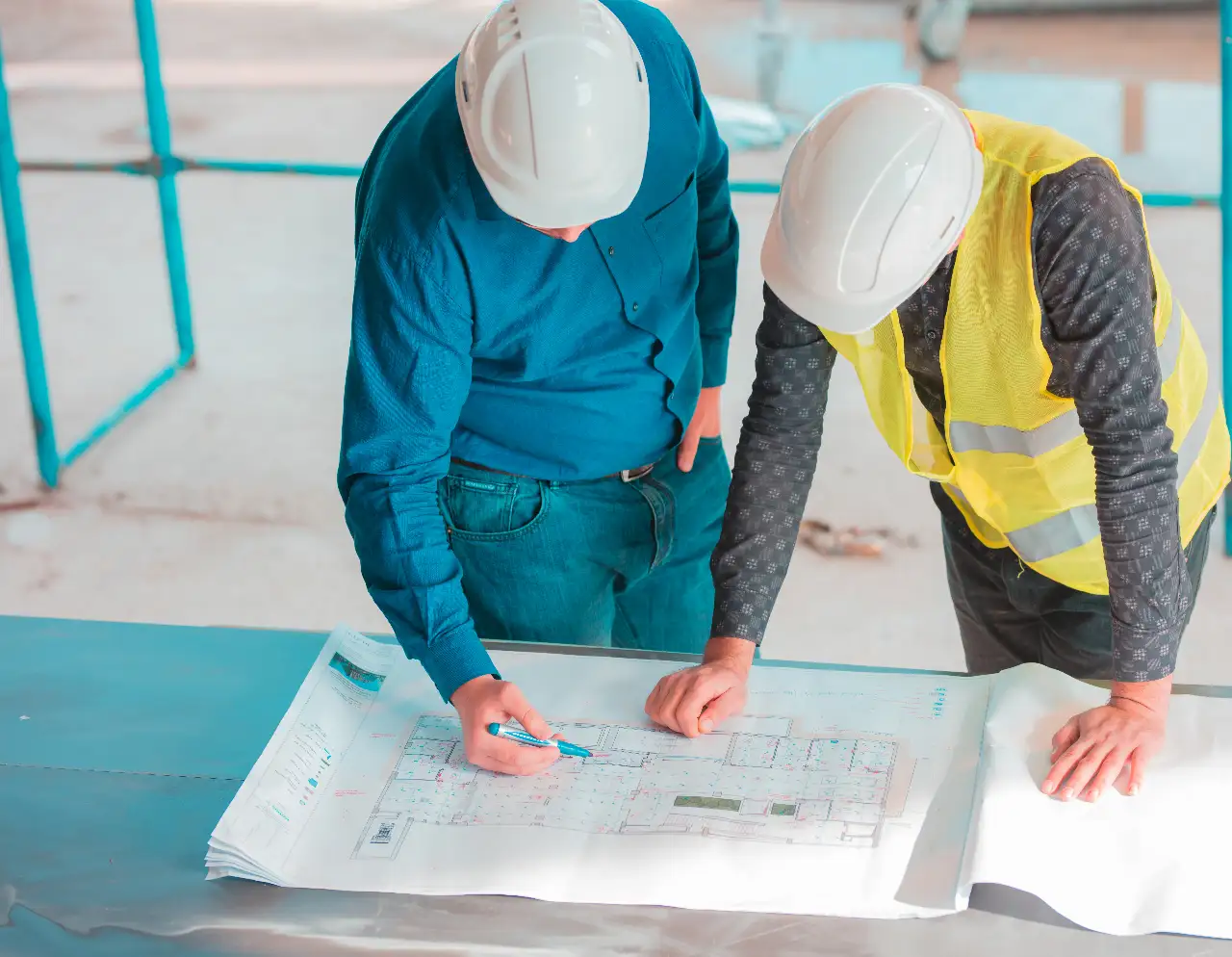
One of the key factors in achieving quality construction is accurate adherence to engineering blueprints. Advanced design software and augmented reality technologies help with quality inspection before execution, minimizing labor errors and ensuring adherence to quality standards.
Efficient construction processes:
Construction technology improves process efficiency through automation and robotics, where advanced machinery is used to pour concrete, install metal structures, and minimize manual intervention, resulting in improved construction quality and fewer human errors.
Quality check using 3D scanning techniques:
3D scanning technologies provide accurate measurements of buildings during construction, helping to implement real-time quality control and detect any deviations in construction, thus ensuring adherence to the best Quality standards.
Track material performance and testing:
Technology allows for accurate testing of building materials to ensure their quality before use, helping to implement quality inspection in accordance with the latest quality standards. For example, concrete is tested using advanced sensors to measure its durability before it is used in a structure.

Modern techniques used in construction quality inspection
Drones (Drones) in quality control:
Drones are widely used in the construction industry, playing an important role in surveying project sites and capturing high-resolution images that provide a comprehensive and accurate view of the construction phases. This technology contributes to analyzing the quality of construction by comparing the captured images with engineering plans and designs, helping to detect any deviations or potential errors early on. Drones are also used to assess the progress of the work and monitor the project efficiently, improving quality checks and ensuring adherence to the highest standards of construction and sustainability.
Artificial intelligence in quality control:
It is used Artificial intelligence is increasingly being used in the construction industry to help identify errors and analyze big data related to construction quality, improving efficiency and reducing risk. The technology relies on advanced algorithms and machine learning models to detect potential flaws in design and execution, allowing engineers to take early corrective action before issues escalate. In addition, AI helps analyze performance trends and predict future risks, contributing to the development of advanced quality control systems that ensure adherence to engineering standards and improve the sustainability of construction projects.
3D printing technology:
3D printing technology contributes significantly to the construction sector, as it allows the creation of accurate and detailed models of architectural structures before they are implemented on the ground. This technology helps in analyzing designs accurately, which contributes to detecting and correcting engineering errors early, thus reducing costs and material waste. In addition, 3D printing enhances labor efficiency by speeding up the construction process and improving the accuracy and quality of projects. The technology also ensures full compliance with the required quality standards, resulting in more sustainable and durable buildings through the use of innovative materials and advanced construction methods.
Smart sensors:
Smart sensors provide real-time data on concrete quality, moisture content, and vibration levels, optimizing quality inspection and ensuring adherence to the highest engineering standards. They help monitor environmental changes quickly, minimizing potential risks and enhancing the durability and sustainability of structures. They also enable monitoring of the materials used and provide accurate analytical reports, helping engineers make data-driven decisions and improve construction efficiency.
Strategies for improving construction quality using technology
Using modern project planning software:
Modern construction companies rely on advanced programs such as AutoCAD, Revit, and Primavera P6 for detailed project planning. These programs provide an accurate visualization of each phase of implementation, which reduces engineering errors and enhances the accuracy of schedules. The BIM (Building Information Modeling) Collaboration between different teams, leading to improved quality and reduced costs.
Promote technical training for workers:
Training workers and supervisors to use Laser scanners, drones, and smart sensors is essential for improving the quality of construction. These tools help detect construction defects early, minimizing repair costs. Continuous training in
Prestressed concrete (Post Tension) and high-performance concrete It improves the durability of structures.
Apply strict quality control standards:
Modern construction projects require adherence to international quality standards such as ISO 9001, ASTM, and local and international engineering codes. This is achieved by:
Procedure Building Materials Tests such as the compressive strength of concrete, and measuring the quality of steel.
Use Ultrasonic Testing (Ultrasonic Testing - UT) to detect internal voids in concrete structures.
Execute Regular quality audits To ensure adherence to specifications.
Analyze big data:
Techniques contribute Artificial Intelligence (AI) and Big Data Analytics in improving the quality of construction by:
Risk prediction Potential issues such as landslides or concrete cracks before they occur.
optimize Inventory and resource managementwhich minimizes material waste and increases operational efficiency.
Promote proactive maintenance strategies based on historical building data.
Use smart security systems:
Intelligent safety systems include Smart helmets, AI-enabled cameras, and Internet of Things (IoT) systems that monitor site conditions in real time. These technologies help to:
- Minimize accidents and improve Labor safety by alerting them to potential risks.
- optimize Quality of work by minimizing errors caused by fatigue or inattention.
- Monitor Concrete temperature during pouring Using sensors to avoid thermal cracks.
Hammam Al-Orouba's role in improving the quality of construction through technology
Hammam Al-Orouba (Hemamco) plays a pivotal role in enhancing construction quality by adopting the latest technologies and applying strict project management standards. The company seeks to improve process efficiency and minimize risks through the use of smart monitoring systems and advanced sensors, ensuring that projects are carried out in accordance with the highest quality and safety standards.
In addition, HIMMCO provides specialized consultancy in the field of construction site safety, including preparing safety plans, training teams on the latest safety procedures, and providing innovative solutions for safety equipment. The company is also committed to reviewing compliance with construction safety codes, ensuring that projects are executed without violations or infractions.
Through these efforts, HIMMCO actively contributes to improving construction quality, enforcing quality standards, and strengthening quality inspection and control systems to ensure the highest levels of performance and sustainability in the construction sector.
Conclusion
Construction technology has become a necessity in the construction industry, as it directly contributes to improving construction quality, enforcing quality standards, and enhancing quality inspection and quality control systems to ensure the highest levels of performance. As technology continues to evolve, the construction industry will see further improvements that will make projects more efficient and sustainable, ensuring that quality goals are achieved at the lowest possible cost and time.