



The impact of climate change: 3 ways to combat it in construction projects
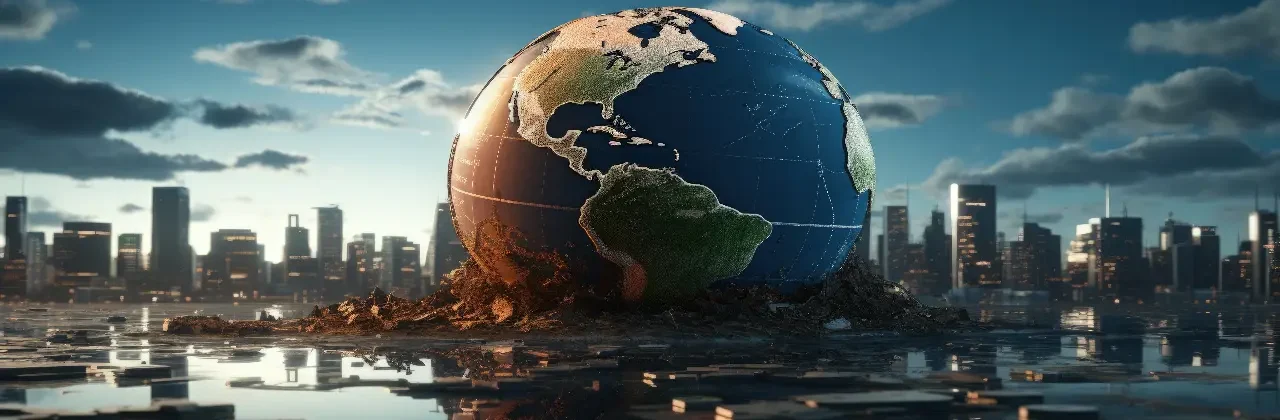
Many regions of the world are witnessing remarkable climate changes that significantly affect various economic and social sectors, especially the construction sector. In recent years, climate changes have become more pronounced with increasing temperatures, the frequency of extreme weather events such as heavy rains and sandstorms, and rising sea levels in some coastal areas. These changes pose huge challenges to construction projects, as new design and construction requires being able to adapt to these changing phenomena to ensure the sustainability of projects and protect them from potential damages.
In this article, we look at the impact of climate change on construction projects and how to adapt to these challenges by using climate-resilient design techniques and achieving environmental sustainability in the construction sector.
The impact of climate change on the design of construction projects
Climate change is a major factor in shaping the design of modern building projects, with architects and designers having to take into account local climate challenges when they design buildings.
Temperature changes:
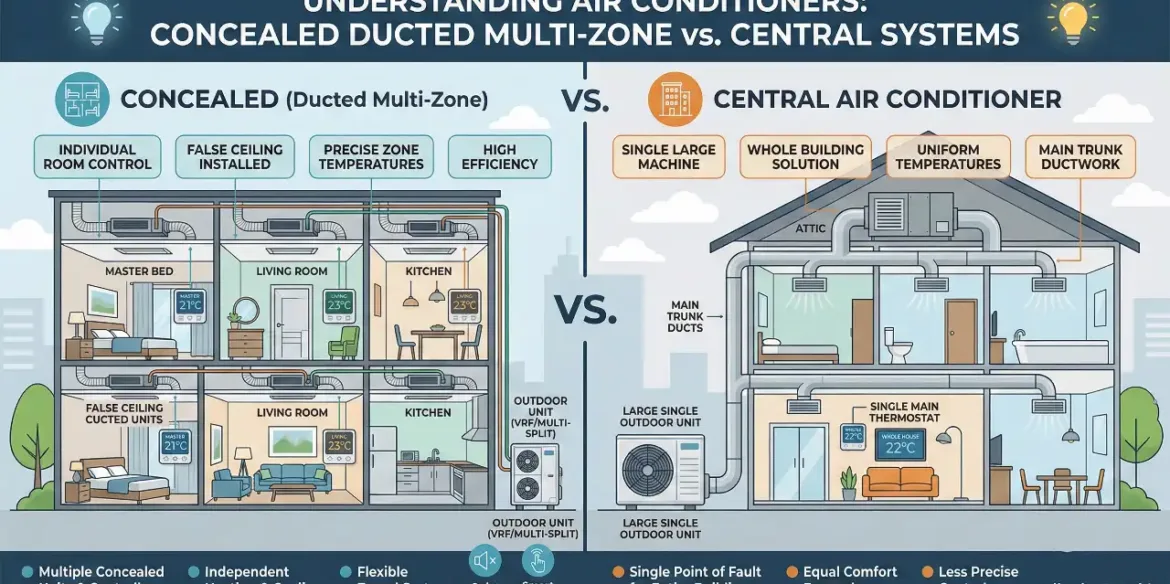
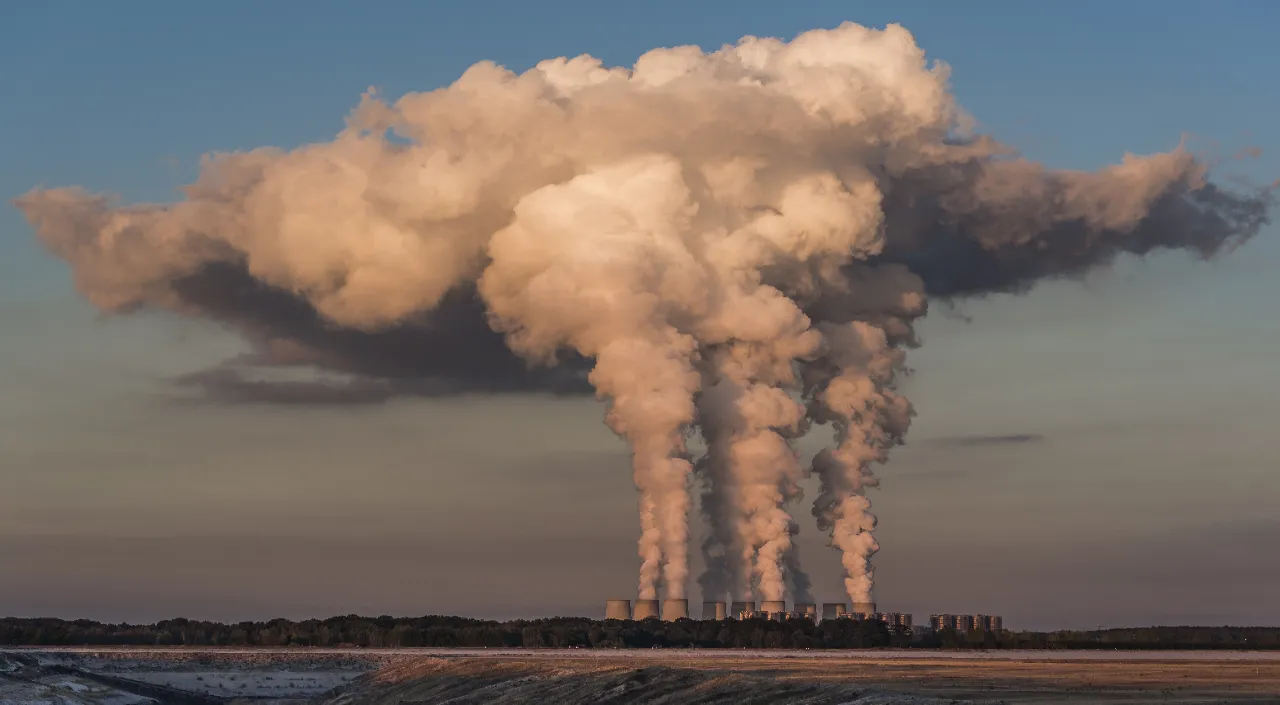
Rising temperatures in many regions have increased the need for efficient cooling systems, both in residential and commercial buildings. Adopting a climate-resistant design is a necessity to minimize the impact of high temperatures on buildings. These designs include the use of thermal insulation materials, double-glazed windows to minimize heat ingress, and natural ventilation techniques.
Extreme weather events:
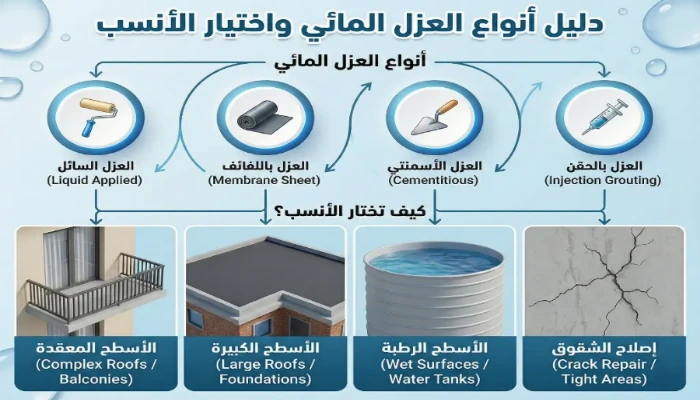
Severe storms, heavy rains, and flooding have increased in some regions as a result of climate change, forcing construction projects to be more resistant to these conditions. Therefore, buildings must be able to withstand strong winds and flooding by adopting designs that increase the stability and strength of the building. The use of deep foundations and water-resistant materials can go a long way in reducing the impact of climate on buildings.
Sea level rise:
In coastal areas, sea level rise poses a significant threat to buildings and infrastructure. A climate-resilient design should include plans to elevate buildings above projected future sea level, with improvements to water drainage to ensure buildings are not affected by flooding.
Environmental sustainability In construction projects
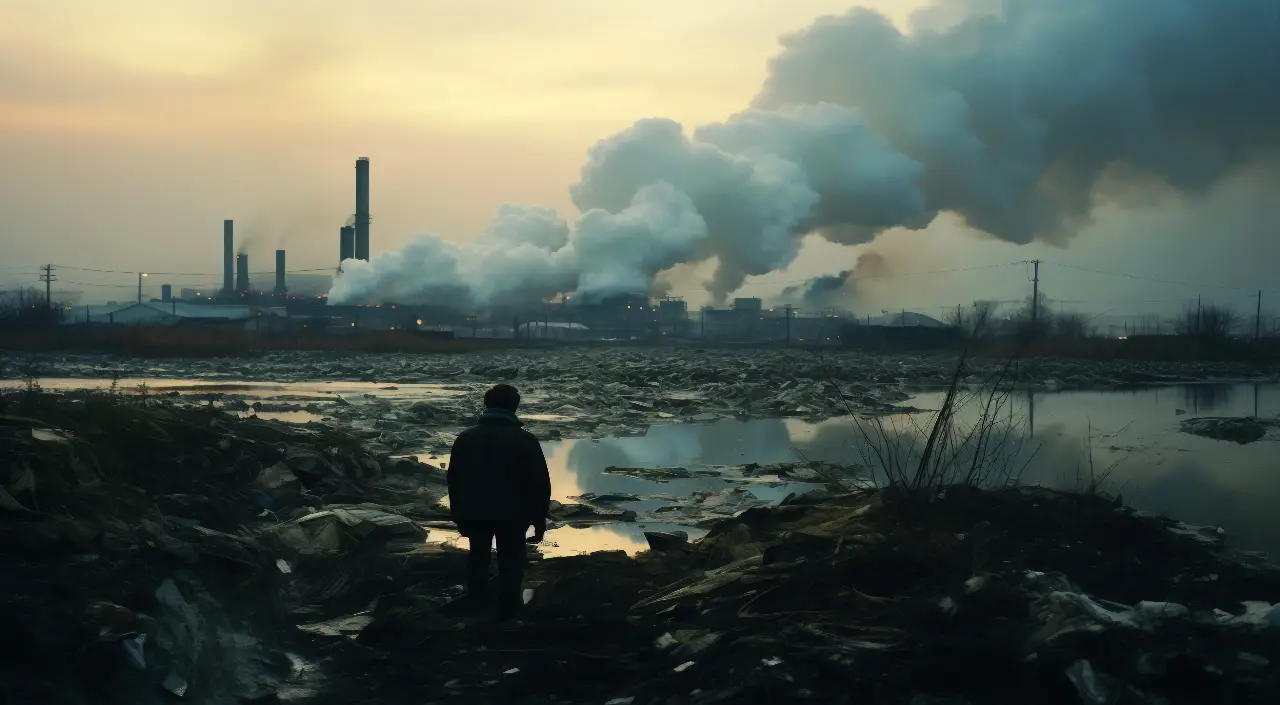
One of the most important solutions to address climate change in construction projects is to focus on environmental sustainability. This is about striking a balance between achieving eco-efficiency, reducing carbon emissions, and conserving natural resources.
Use of sustainable materials:
Modern construction projects require the use of eco-friendly materials that minimize environmental impacts. For example, recycled materials such as sustainable wood, recycled concrete, and bio-insulation can be used to reduce energy and water consumption. Adopting thermal insulation can also improve building performance and reduce reliance on traditional energy sources.
Renewable energy:
By incorporating renewable energy technologies such as solar panels or wind power into building designs, greenhouse gas emissions can be reduced and contribute to minimizing the negative effects of climate change. These solutions also provide effective techniques to reduce reliance on conventional energy.
Water management:
Water management is an essential part of environmental sustainability in construction projects. Designs should incorporate technologies such as rainwater harvesting and smart irrigation systems that contribute to minimizing water consumption, enhancing resilience to climate change.
It is also necessary to study the direction of water and calculate the slope of the water drainage to the rain channels or rain drainage for sustainability and water conservation.
Adapting to climate impacts in construction
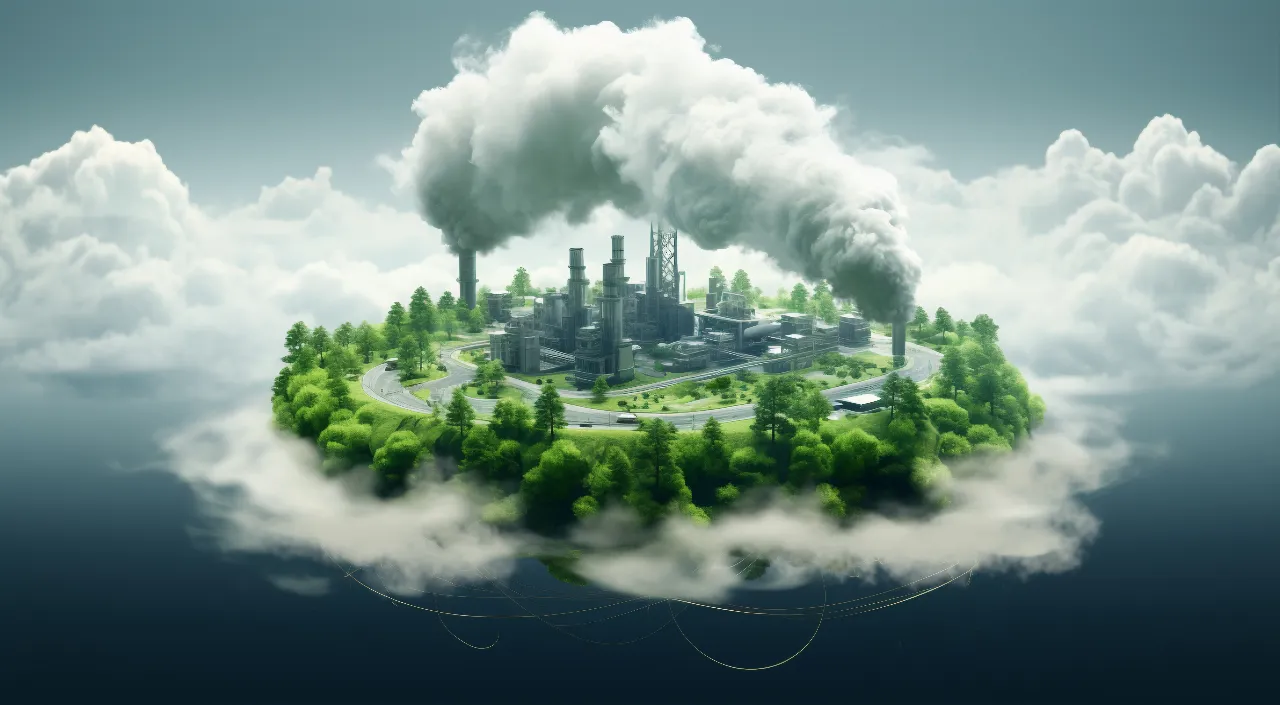
The shift towards climate adaptation requires companies and developers to adopt innovative technologies and methods to manage construction sites in the face of climate change. These techniques ensure not only environmental sustainability, but also high efficiency in building robust and resilient projects.
High-tech project management:
Technology plays a pivotal role in improving the management of construction projects under climate change. Through the use of advanced project management software such as BIM (Building Information Modeling) With climate prediction software, developers and contractors can track climate fluctuations and make necessary adjustments in a timely manner. This helps optimize the project schedule, reduce delays, and ensure work is carried out in line with climate changes.
Ongoing training and awareness:
In order to effectively adapt to Climate impactOngoing training should be provided to all construction teams on climate-resistant design techniques, the use of sustainable materials, and energy and water conservation best practices. Companies must be willing to adapt construction techniques to meet new challenges resulting from climate change.
Flexibility in design and implementation:
Ensuring the flexibility of Designs in construction projects One of the most important ways to adapt to climate change. In the event of sudden changes in climatic conditions, such as severe storms or flooding, designs must be flexibly adjustable to minimize potential damage. These adjustments require the incorporation of innovative solutions such as water-resistant surfaces and materials that can withstand temperature fluctuations.
Assessing Future Risks
It is becoming increasingly necessary for companies operating in the construction sector to Comprehensive risk assessment The future that may result from increasing climate change. The effects of climate change are no longer limited to specific regions or time periods, but are rapidly threatening all parts of the world, making it imperative for companies to adopt clear and thoughtful strategies to deal with these challenges. To achieve this goal, long-term climate studies are critical.
These studies focus on the effects of global warming, unusual temperature fluctuations, and extreme weather events such as severe storms, heavy rains, and flooding, which may significantly affect the sustainability of construction projects in the future.
These studies allow developers and engineers to gain a deeper understanding of how climate change will affect the area in which the project is taking place, and then determine whether designs need to be modified to suit these future variables. Risk assessment relies on the use of sophisticated computer models, which are a vital tool in simulating and predicting future climate conditions. These models help identify the areas that are most vulnerable to potential climate risks, and then provide innovative design solutions to address these challenges.
The computer models provide sustainable solutions that include the use of appropriate materials, adaptation techniques to changing temperatures, and building ecosystem planning to minimize the effects of climate change.
Through this accurate assessment of future climate risks, companies can ensure safer and more efficient projects in the long term, while ensuring high environmental sustainability and the highest quality construction standards, thus contributing to the protection of the environment and communities from climate impacts.
Conclusion
Climate change presents significant challenges for construction projects around the world, but with climate-resilient design and environmental sustainability solutions, projects can become more resilient and adaptable to these changes. Advanced technology, such as Building Information Modeling (BIM) and the use of renewable energy, remain among the key solutions that contribute to improving project efficiency and reducing climate impact. Adapting to these changes means not only protecting buildings from risks, but also contributing to global environmental sustainability.