



Construction Site Safety | Worker Protection Guide
Safety on Saudi construction sites
Safety on construction sites is a key priority to ensure a safe and risk-free work environment. With the complex nature of construction operations and the presence of heavy equipment, sharp tools, and hazardous materials, implementing safety measures is critical to protect all workers on site.
Neglecting construction safety laws leads to serious accidents that can cause serious injuries or even fatalities, not to mention financial losses and construction delays. Adhering to safety standards, providing the right safety equipment, and training workers on best practices are key to ensuring the success of projects and saving lives.
Engineering consulting companies play a pivotal role in promoting a culture of worker safety on construction sites, and among these leading companies is Humm Al-Orouba (HUMMCO), which provides integrated solutions to ensure a safe working environment by developing advanced strategies, providing specialized consultations, and following up on the implementation of safety procedures in accordance with the latest international standards.
In this article, we will discuss in detail the importance of Construction sitesWe address the role of safety procedures and safety equipment in minimizing risks, highlighting construction safety laws and Humm Al-Orouba's role in supporting companies and investors in this field.
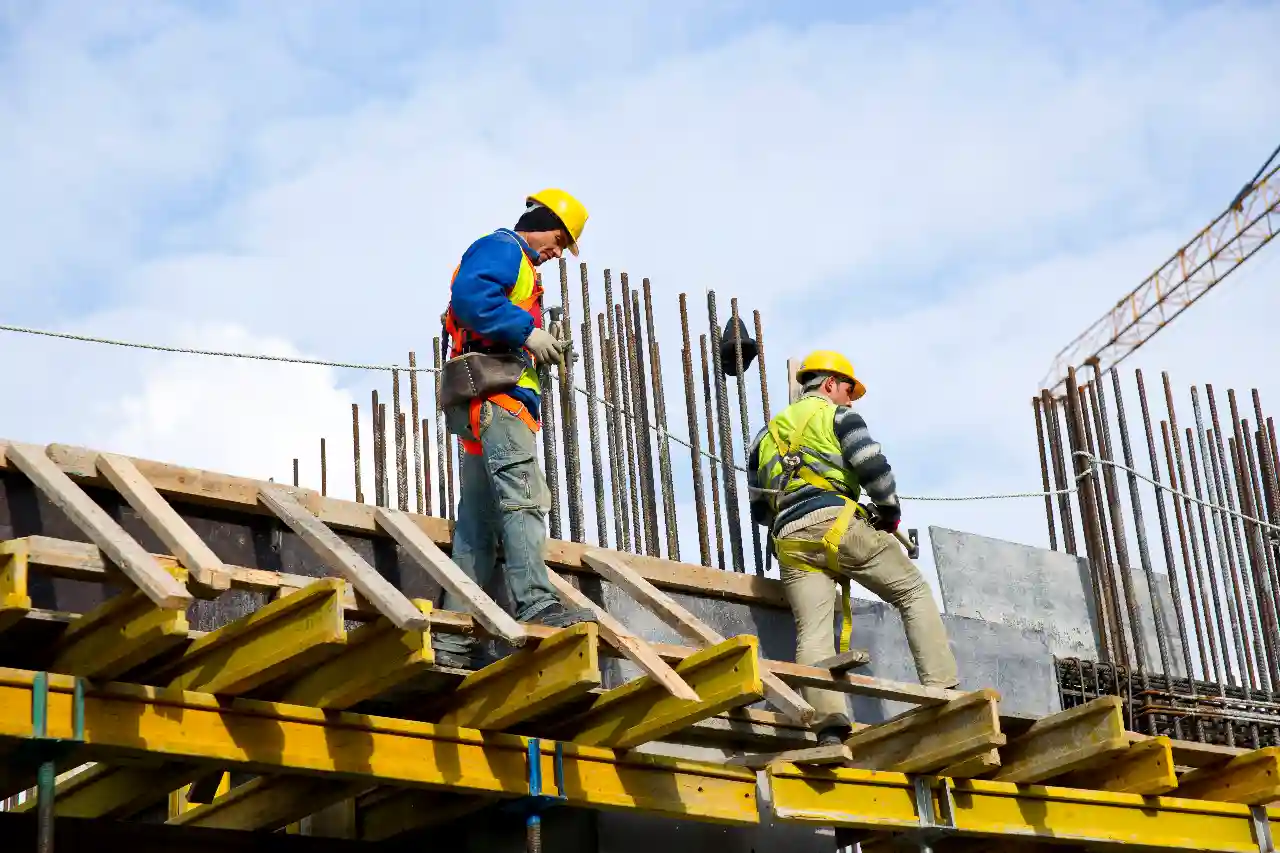
The importance of safety on construction sites
Minimize injuries and save lives:
Construction sites are some of the most dangerous work environments, where accidents can lead to serious injuries or even loss of life. Strict adherence to Safety Construction sites in minimizing these risks and protecting workers from potential accidents.
- Hazardous work environment: Construction sites are inherently dangerous work environments where workers are exposed to multiple hazards such as falls from heights, electric shocks, injuries from heavy machinery, exposure to hazardous chemicals, and more.
- Shocking statistics: Statistics show that construction accidents cause a large number of injuries and deaths every year, making safety a top priority that cannot be underestimated.
- Effective prevention measures: By strictly adhering to safety standards, providing appropriate personal protective equipment (PPE), and training workers to use it properly
- Correctly, applying strict safety procedures at all stages of work, these risks can be significantly reduced and workers can be protected from potential accidents.
Improve productivity and avoid delays:
- Safe workers = productive workers: When workers feel safe, they are better able to focus on their tasks and accomplish them efficiently. Conversely, an unsafe work environment increases workers' anxiety and distractions, which negatively affects their productivity.
- Avoid accidents and stops: Implementing safety measures reduces the likelihood of accidents that can lead to work stoppages and delayed project delivery. Accidents cause significant financial losses, not only due to treatment costs, injuries and workers' compensation, but also due to work stoppage and project disruption.
Complying with laws and avoiding penalties
- Strict legislation: Many countries impose strict laws to ensure the safety of workers on construction sites and require companies to comply with these laws and implement the necessary safety standards.
- Severe penalties: Failure to comply with these laws can expose companies to hefty fines or even project shutdowns and license revocations. Therefore, adhering to construction safety laws is not an option, but a necessity to ensure business continuity and avoid penalties
Enhance the company's reputation and increase trust:
- A good reputation is capital: Companies that care about the safety of their employees and provide them with a safe and healthy work environment gain a good reputation in the market, which increases the confidence of investors and customers.
- Attract top talent: Providing a safe working environment attracts the best quality workers and engineers, enhances employee loyalty, and reduces labor turnover.
The role of feasibility studies in enhancing safety
- Risk identification and assessment: Play Feasibility studies plays a vital role in assessing potential hazards at a construction site before work begins, and identifying all factors that may affect worker safety.
- Develop comprehensive safety plans: Based on the results of the feasibility studies, comprehensive safety plans are developed that include identifying the necessary safety measures, providing the necessary equipment and resources, training workers on how to deal with potential hazards, and establishing emergency procedures to deal with accidents in case they occur.
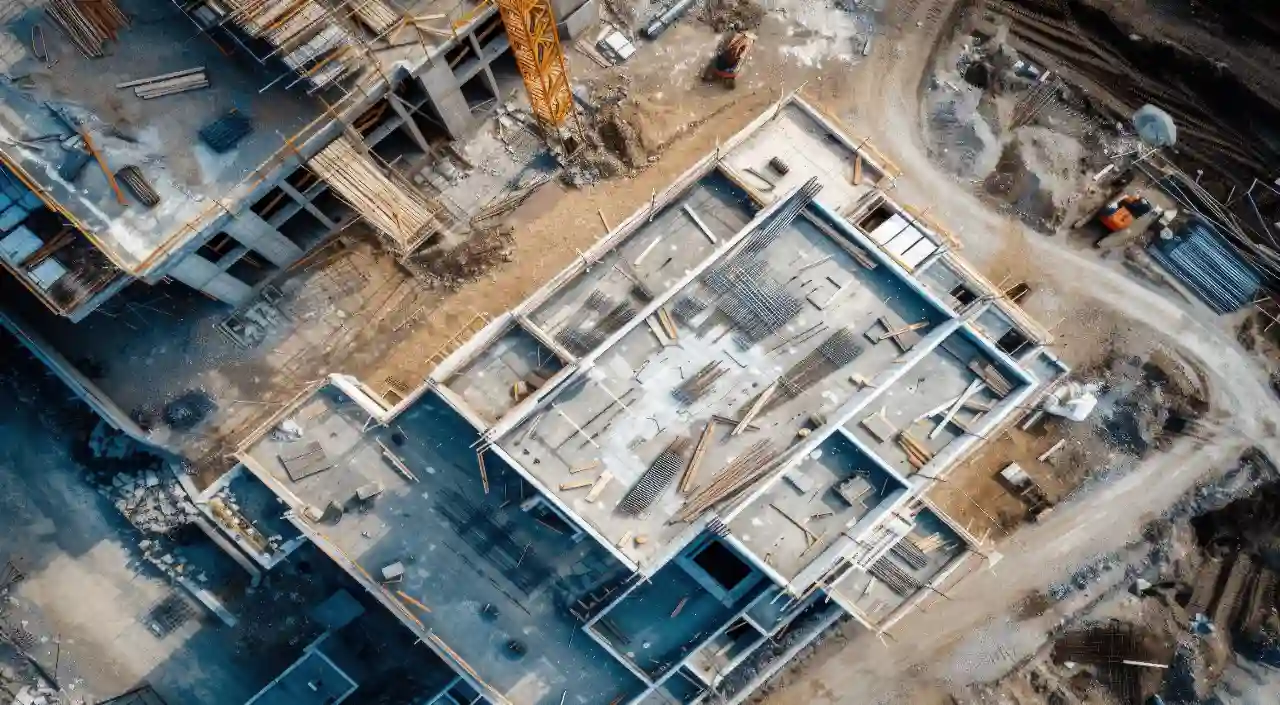
The most important safety measures on construction sites
Train workers on safety standards:
All workers should undergo periodic trainings on safety procedures, including how to handle safety equipment, emergency response methods, and safe work methods.
Wear personal safety equipment:
Includes basic safety equipment on construction sites:
- Protective helmets: To protect the head from a fall or collision.
- Resistant gloves: To protect hands from cuts or chemicals.
- Protective glasses: To protect the eyes from dust or sparks.
- Safety shoes: To prevent injuries from falling heavy objects.
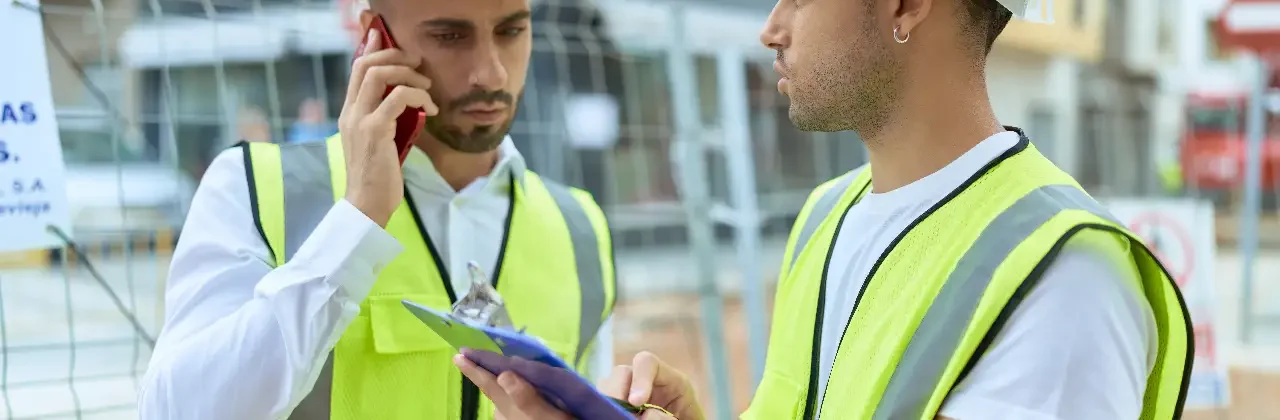
- Reflective jackets: To ensure that workers are clearly visible at all times.
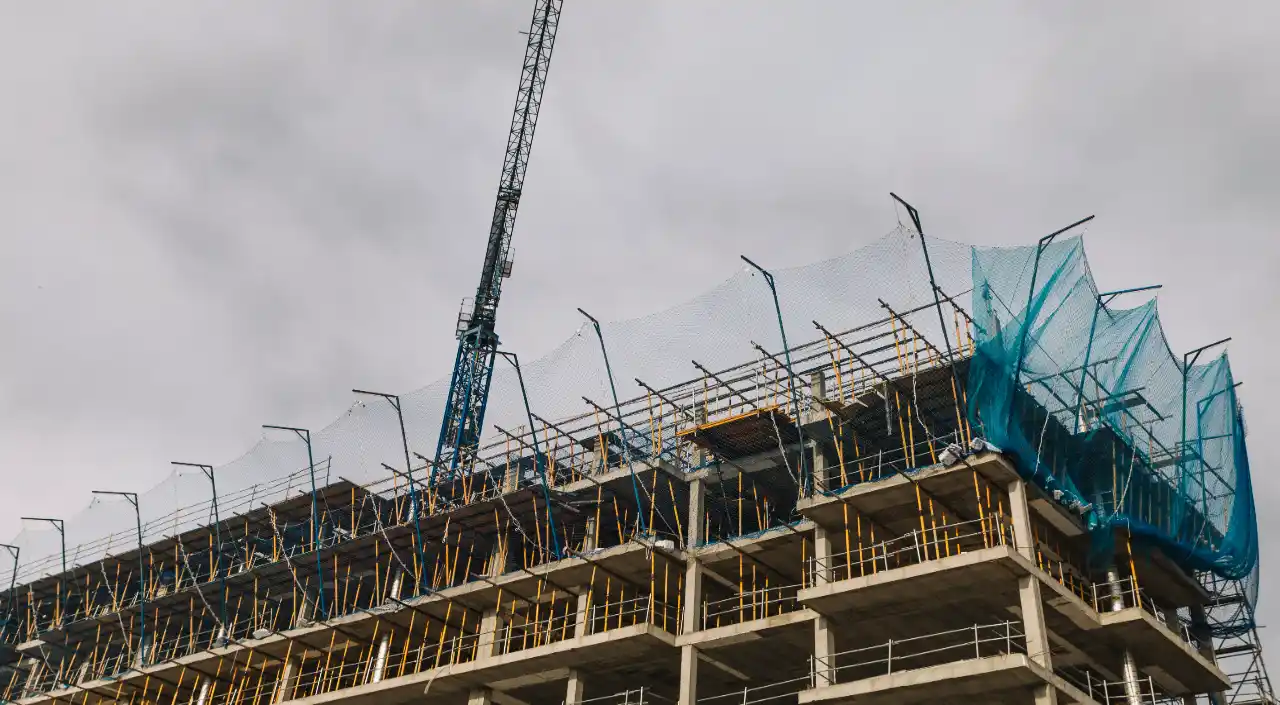
Secure heavy equipment and machinery:
Periodic maintenance and inspection:
- Conduct daily and annual inspections of heavy equipment to ensure that they are operational and free of malfunctions.
- Use a checklist that includes brakes, tires, engine, and hydraulic systems before starting work.
Training for use:
- Provide specialized training programs for all workers to teach them how to operate heavy equipment safely and efficiently.
- Train workers to deal with emergency situations, such as sudden breakdowns or brake failures.
Use security systems:
- Install cameras and sensors to detect obstacles around heavy equipment.
- Use audio alarms to warn workers when equipment is moving.
Define work zones:
- Designate special zones for the movement of heavy equipment and separate them from pedestrian paths to ensure everyone's safety.
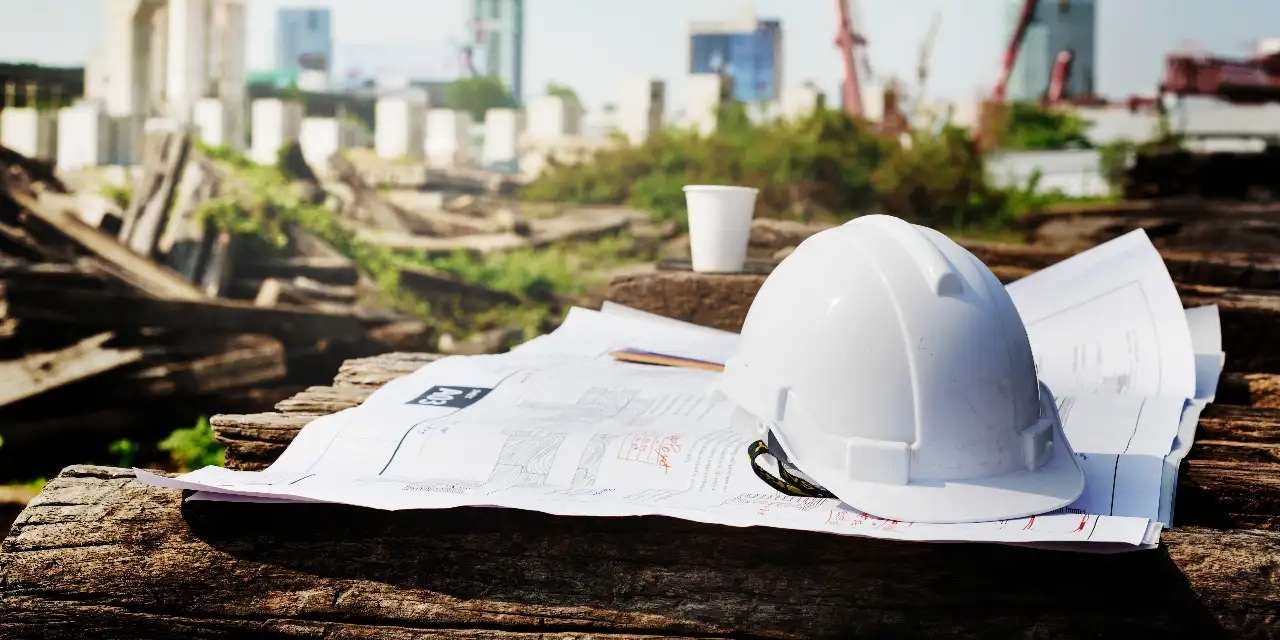
Place warning signs at the site:
Risk Alert:
- Place clear and well-lit warning signs in places that require caution, such as areas with heavy loads or open pits.
- Use mobile equipment warning signs to warn workers when they enter work areas.
Safety guidelines:
- Signs explaining procedures to be followed in case of an emergency, such as evacuation routes or the use of personal protective equipment.
- Place explanatory signs next to emergency exits and evacuation routes to ensure they are easily accessible at any time.
Types of banners:
- Yellow warning signs: Indicates a systemic risk.
- Red banners: Indicates critical hazards or emergency exits.
- Blue banners: Refers to mandatory measures such as wearing helmets or goggles.
Maintenance of signs:
- Make sure signage is clear, clean, and visible even in poor lighting conditions.
- Replace faded or damaged signs immediately.
Adhere to building safety codes:
Construction safety codes include a range of requirements that companies must adhere to, such as providing adequate emergency exits, adhering to standards for safe storage of materials, and ensuring the stability of scaffolding and temporary structures.
Examples of safety in construction projects
An apartment complex construction project:
Residential tower projects require careful measures to ensure the safety of workers and the site in general. These measures include:
Fall protection systems:
- Install protective grilles and handrails on the edges of buildings to prevent accidents.
- Use seatbelts attached to fixed points in high places.
Secure temporary elevators:
- Ensure that temporary elevators are regularly inspected for safety and efficiency.
- Install safety doors that prevent falls while using the elevators.
Stabilize the scaffolding:
- Use high-quality scaffolding with daily checks to ensure its stability.
- Stabilize scaffolding with wind-resistant ropes or supports.
- Provide training for workers on the safe use of scaffolding.
A bridge or highway construction project:
This type of project requires additional measures because there are high risks involved, including working near traffic and high altitudes:
Safety barriers:
- Install concrete or metal barriers separating the work site from active traffic.
- Clearly visible warning signs to alert drivers.
Lighting systems:
- Provide sufficient lighting to work at night or in low-visibility conditions.
- Use powerful, energy-efficient LED lights to illuminate the entire worksite.
Team training:
- Train workers to use personal protective equipment (PPE) such as helmets and safety vests.
- Prepare emergency scenarios that include rapid evacuation and first aid.
A factory or warehouse project:
These projects need special measures as they involve heavy equipment and hazardous materials:
ventilation systems:
- Install centralized ventilation systems to eliminate harmful vapors and flying dust.
- Provide sensors to continuously monitor air quality.
Storage of hazardous materials:
- Designate isolated and secured areas for the storage of hazardous chemicals.
- Label all materials with instructions for safe use.
- Provide proper fire extinguishing equipment next to the storage areas.
Evacuation corridors:
- Clear and unobstructed evacuation routes.
- Install emergency lighting along evacuation routes.
- Train all employees on periodic evacuation plans.
Technology and its role in enhancing safety on construction sites
With the rapid development of the construction industry, the use of technology has become an effective tool to improve the safety of construction sites and minimize potential accidents. Through smart monitoring systems, the status of equipment and workers can be tracked, and errors can be detected before they cause serious accidents that affect the workflow. The use of sensors and early warning systems helps minimize risks, enhancing work efficiency and ensuring a safer environment for workers and project supervisors.
In addition, technologies such as drones can inspect large sites and identify potential hazards without having to jeopardize the safety of workers. Drones can reach high and dangerous places and provide accurate data to help make the right decisions, and specialized safety management software allows companies to document incidents, assess performance, analyze risks, and continuously improve safety plans, making construction sites safer and more efficient. Specialized safety management software allows companies to document incidents, evaluate performance, analyze risks, and continuously improve safety plans, making construction sites safer and more efficient in dealing with daily challenges.
The role of HAMMCO in enhancing the safety of construction sites
Humm Al-Orouba plays a pivotal role in supporting real estate companies and contractors by providing specialized consultancy in the field of construction site safety. Its services include:
- Preparing safety plans: HIMMCO develops comprehensive plans to ensure worker safety and minimize risks on construction sites.
- Team training: Provides hands-on training programs for workers and engineers on the latest safety procedures and ways to deal with hazards.
- Providing innovative solutions for safety equipment: The company contributes to the development of safe working environments by recommending the most efficient and effective use of safety equipment.
- Construction Safety Compliance Audit: HIMMCO helps companies comply with the requirements of building safety codes, avoiding fines and legal issues.
Conclusion
Construction site safety is critical to the success of any construction project, helping to protect worker safety, minimize hazards, and ensure compliance with construction safety regulations. By implementing strict safety procedures, providing advanced training programs, and using the right safety equipment, accidents can be significantly reduced and a safer, more efficient, and more productive work environment can be achieved.
Progress Hmmm al-Aruba (HIMMCO) provides integrated solutions to enhance the safety of construction sites by providing specialized consultations, following up on the implementation of the best safety procedures, training work teams, and ensuring compliance with the latest local and international standards. Safety compliance is not just a legal obligation, it is a real investment in workers' lives, business continuity, and the long-term success of projects.
Therefore, it is always advisable to seek the help of experts to ensure the highest levels of safety, and to benefit from best practices in this field, to ensure a safer future for the construction sector, protect lives and property, and achieve an ideal work environment that meets everyone's aspirations.