



Cost management in construction projects and budget control
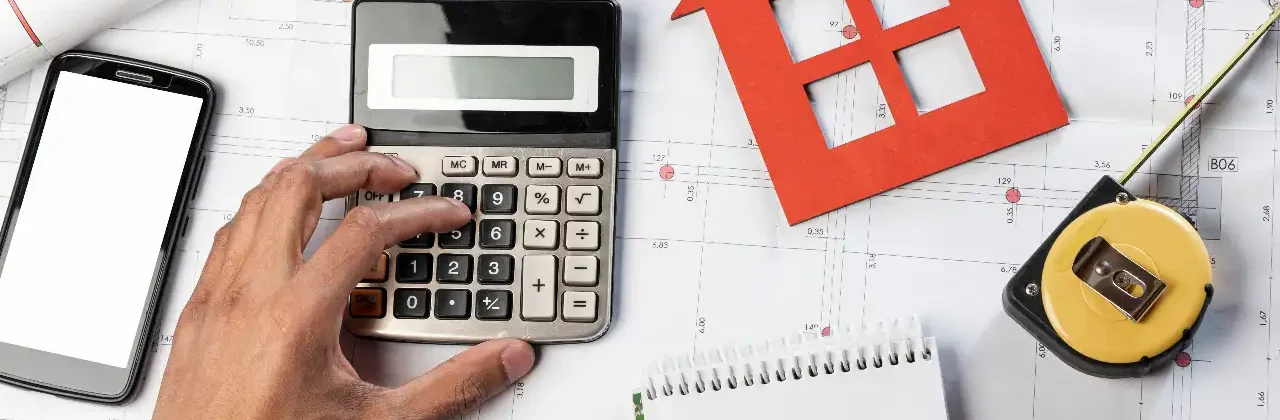
Cost management plays a pivotal role in realizing the efficiency of construction projects and ensuring they are executed within the set project budget. Cost planning is an essential step in the implementation process, helping to anticipate potential expenses, allocate resources effectively, and avoid any unexpected cost overruns. The success of projects depends on accurate cost management, as inaccurate estimates or poor planning can lead to budget overruns and delayed completion.
Controlling costs requires a proactive approach that includes continuous analysis of spending, monitoring work progress, and implementing effective strategies to minimize waste. Reviewing the project budget periodically helps identify any cost deviations and take corrective action in a timely manner. In addition, cost planning helps to optimize contract management, negotiate with suppliers, and ensure that materials are provided at competitive prices without compromising on quality.
In this article, we will detail the importance of cost management, the factors that affect a project's budget, as well as effective strategies to ensure cost control and maintain profitability.

The importance of cost management in construction projects
Achieving financial sustainability:
Effective cost management helps achieve financial sustainability for a project, as resources are allocated accurately to avoid overspending and ensure optimal budget utilization. Having a clear project budget contributes to accurately defining the scope of work, which helps to control expenses and control operational and construction expenses. Cost planning is a key factor in minimizing financial risks, as it ensures that resources are allocated efficiently and avoids unexpected overruns. Cost control allows projects to adhere to financial limits without affecting quality or schedule. When cost management principles are applied professionally to construction projects, predictability of expenses can be improved and the financial viability and success of the project can be ensured.
Minimize financial risk:
Construction projects face many financial challenges, such as rising material prices and construction delays, which can lead to project budget overruns. Advance cost planning helps minimize these Risks in construction projects By accurately estimating expenses and efficiently allocating resources, cost control helps predict risks and make proactive decisions that minimize negative financial impact, such as rescheduling operations or negotiating with suppliers. Adopting modern cost management techniques also improves cash flow monitoring and budget control, enhancing the sustainability, quality, and timeliness of construction projects.
Optimize resource efficiency:
Construction projects face financial challenges such as rising material prices and construction delays, which can lead to project budget overruns. Advance cost planning helps control expenses and allocate resources effectively, minimizing unforeseen financial risks. Cost control contributes to predicting issues and making proactive decisions, such as optimizing procurement strategies or negotiating with suppliers. The use of modern cost management techniques improves cash flow monitoring and budget control, enhancing the sustainability, quality and timeliness of construction projects.
Enhancing competitiveness:
Contractors and companies that master cost management in construction projects have a strong competitive advantage, as they can provide accurate quotations that match the requirements of clients and investors, which enhances their market opportunities. The ability to plan costs effectively reduces financial risks, such as exceeding the project budget or facing unexpected expenses, which ensures the stability of financial operations. Moreover, applying effective cost control strategies helps companies improve execution efficiency, reduce waste, and adhere to timelines, which ultimately leads to sustainable profits and increases the confidence of clients and investors in their ability to complete projects with high quality and within the specified budget.
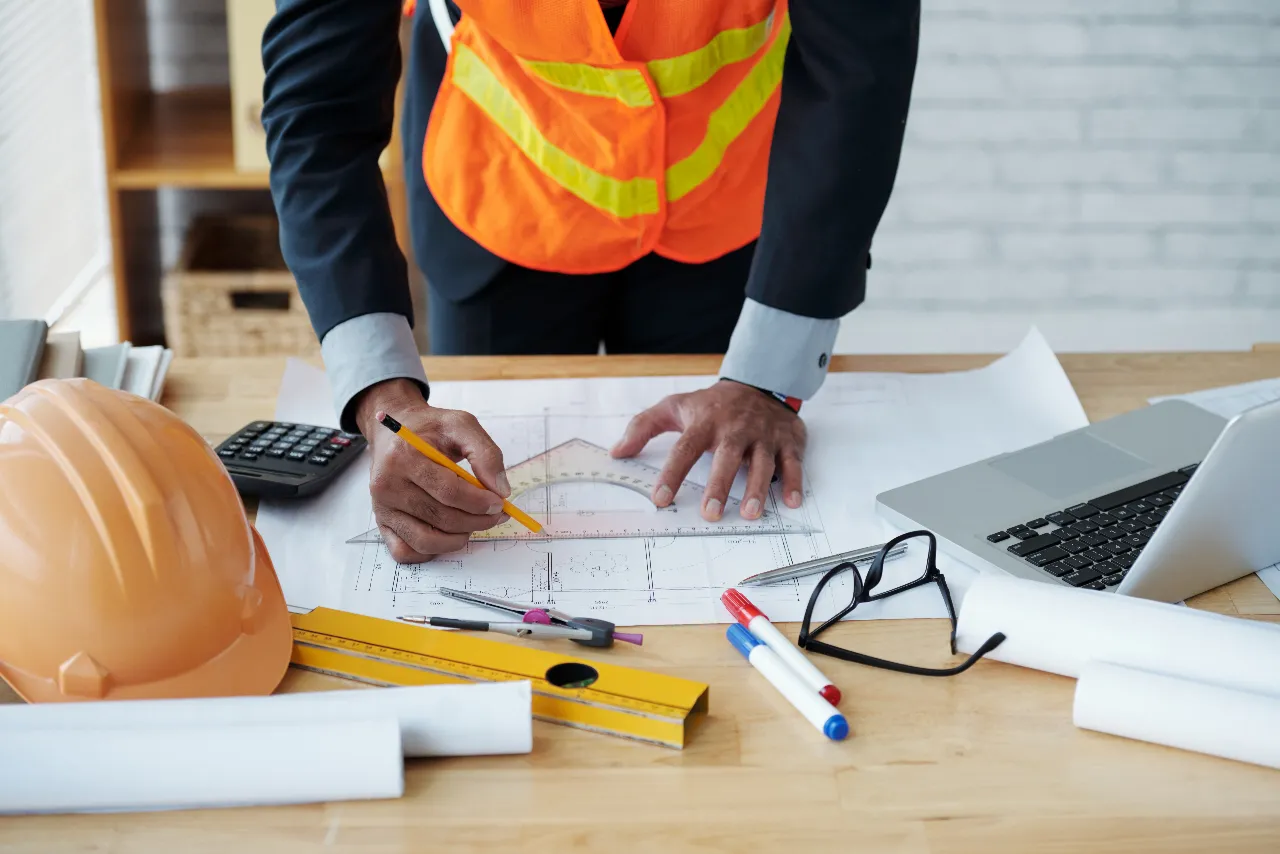
Factors affecting the project budget
Material price fluctuations:
The fluctuating prices of building materials such as iron, cement, and wood significantly affect the project budget, as fluctuations in these prices can lead to cost overruns. Therefore, cost planning should include provisions for contingencies and take into account potential price fluctuations, through advance procurement strategies or choosing more stable cost alternatives. This helps control costs and ensure that the project budget is not exceeded while maintaining the quality of the work and adhering to the schedule.
Labor costs:
Wages and labor-related expenses make up a significant portion of construction project costs. Controlling costs requires a plan to efficiently manage teams to ensure the highest productivity at the lowest cost. This includes distributing tasks effectively, providing proper training, and ensuring teams adhere to schedules to minimize costs caused by delays or unplanned labor surges.
Delays and design changes:
Any delay in execution or change in design can unexpectedly increase the costs of construction projects, jeopardizing the project budget. Project managers must develop contingency plans and clear alternatives to deal with these challenges, whether by setting flexible timelines or utilizing flexible design techniques. These plans help avoid the negative impact on cost control and ensure that work continues within the planned financial limits.
Maintenance and operation costs:
Cost management is not only limited to the construction phase, but also extends to the future operation and maintenance costs of the project. Cost planning should take into account long-term material costs, as well as new construction techniques that minimize O&M costs in the long term. Using cost-effective materials, such as good insulation or renewable energy systems, can reduce energy consumption and lower operational costs in the future, contributing to long-term financial sustainability.
Laws and legislation:
Some construction projects may require compliance with additional legal requirements, such as building permits, safety standards, or environmental approvals, which directly affects the project budget. It is essential that cost planning includes these legal requirements from the beginning of the project, to ensure that the necessary resources are allocated to obtain permits and approvals on time. Planning ahead ensures compliance without cost overruns or impacting the project schedule, avoiding unexpected expenses and providing an organized and safe legal environment.
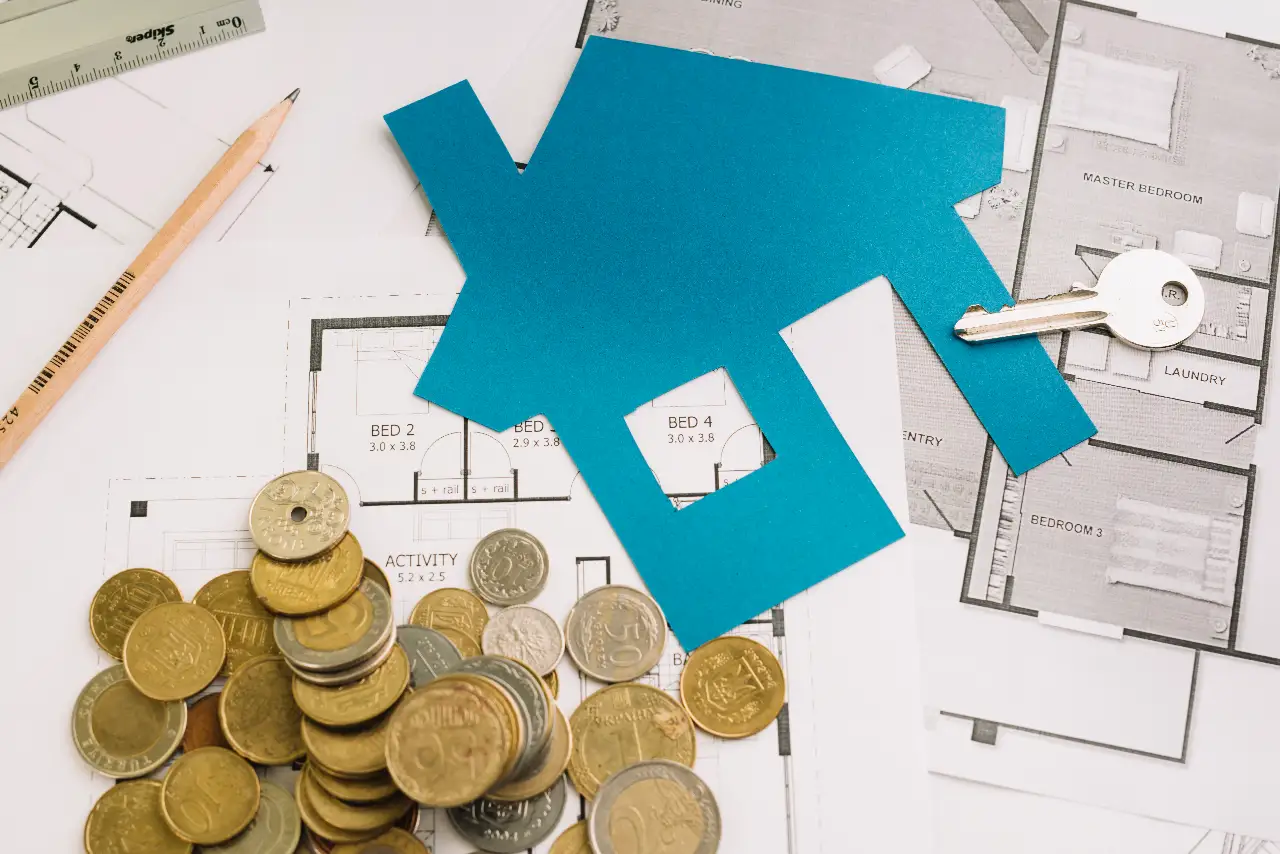
Effective strategies to control costs in construction projects
Prepare an accurate and comprehensive budget:
Requires successful Cost management Prepare an accurate project budget that includes all potential expenses, including material, labor, equipment, and contingency costs. This helps achieve a clear view of actual and projected spending.
Using technology in cost planning:
Digital tools such as project management software and artificial intelligence have become effective tools in cost planning and accurately identifying actual and projected expenses, making it easier to control costs and minimize waste.
Negotiating with suppliers and contractors:
Effectively negotiating with suppliers for the best prices and payment terms can have a significant impact on a project's budget. Smart contracts can be used to ensure price stability and minimize unexpected costs.
Minimize waste and increase process efficiency:
Good inventory management, minimizing material waste, and adopting sustainable construction practices help control costs and achieve financial sustainability.
Monitor financial performance on a regular basis:
Project managers should regularly track actual costs and compare them to the planned budget, helping to take corrective action when needed to keep the project budget within expected limits.
Tips for managing costs in projects
To ensure successful cost management in construction projects and achieve adherence to Project budgetThe following tips can be followed:
Accurate budgeting
All potential expenses should be identified in advance, including direct and indirect costs, which helps to effectively plan costs and ensure that financial limits are not exceeded. It is also important to set aside a financial reserve for any unforeseen emergencies.
Utilizing modern technology
Cost management software provides advanced tools to track expenses, generate reports, and analyze data, making it easier to control costs and reduce waste. Artificial intelligence and numerical modeling can be used to analyze different scenarios before a project is implemented.
Negotiating with suppliers and contractors
Getting Competitive Pricing Negotiating long-term contracts helps minimize the costs of materials and services. Building strategic relationships with suppliers ensures that materials are sourced at favorable prices and high quality.
Periodically review the budget
Continuous monitoring of Project budget It ensures that actual spending is in line with the plan, helping to control costs and avoid any financial surprises. It is important to conduct periodic analyses to identify any deviations and take corrective actions in a timely manner.
Minimizing waste and maximizing efficiency
Optimization of management Resources and materials It contributes to reducing costs without affecting the quality of execution. This can be achieved by applying sustainable building practices, using recyclable materials and modern construction techniques that minimize waste.
:: Hiring qualified teams
Ongoing employee training contributes to Modern cost management techniques in improving performance and minimizing costly mistakes in construction projects. The selection of Experienced project manager It helps in implementing financial plans efficiently and ensuring optimal utilization of resources.
Analyze performance and improve processes:
It's important to review project performance after each phase to identify areas for improvement and increase efficiency in the future. Analyzing historical data from previous projects helps to develop more accurate cost management strategies for new projects.
Prepare contingency plans:
Having contingency plans in place helps to deal with any financial fluctuations or unexpected changes in the project budget, enhancing the project's ability to control costs efficiently.
Following these strategies ensures that cost management is optimized and helps to successfully execute construction projects without exceeding the project's budget.
The role of project management companies in controlling costs
Project management companies such asHmmm al-Aruba"play a pivotal role in managing costs and ensuring maximum efficiency in construction projects. These companies offer comprehensive services that include cost planning from the outset, helping to accurately budget and allocate resources thoughtfully. They also take care of ongoing budget monitoring, ensuring that the project adheres to the set financial limits. In addition, these companies provide in-depth financial analysis to identify any potential cost deviations and take proactive decisions to minimize them. Through their long experience and adherence to international standards, companies like Humm Al Oroba contribute to minimizing financial risks and achieving the perfect balance between quality and cost. This helps ensure that projects are executed efficiently, enhancing the chances of project success at various stages, from initial planning to final delivery, and gives clients confidence that projects will be executed on time and within budget.
Conclusion
Cost management plays a vital role in the success of construction projects, ensuring that financial goals are met without exceeding the project budget. Through careful cost planning, the use of modern technology, and smart negotiation with suppliers, cost control can be achieved and projects can be executed efficiently and profitably.
Cost management remains an essential skill for any investor or contractor seeking to achieve sustainable success in construction projects, so following the right cost control strategies can be the difference between a successful project and a financially challenged one.