



The importance of solar energy in reducing building operating costs
With the increasing demand for sustainable energy sources and rising electricity costs, solar energy has become one of the most important solutions to help reduce building operating costs and promote long-term energy savings. By relying on renewable energy, building owners can achieve energy independence, reduce reliance on traditional electrical grids, and contribute to building sustainable buildings that meet the needs of the present without negatively impacting future resources.
Studies show that investing in solar energy saves money in the long run, helping to lower electricity bills, reduce the need for ongoing maintenance, and protect consumers from fluctuations in global energy prices. With rapid technological development, solar energy systems are becoming more efficient and less expensive, making it an attractive option for residential, commercial and industrial buildings.
In this article, we will review in detail how solar energy contributes to reducing the operating costs of buildings, how it can be integrated into sustainable building designs to make the most of it, in addition to analyzing the economic and environmental returns of using renewable energy that relies on sunlight as a primary source of energy.

The importance of solar energy in reducing building operating costs
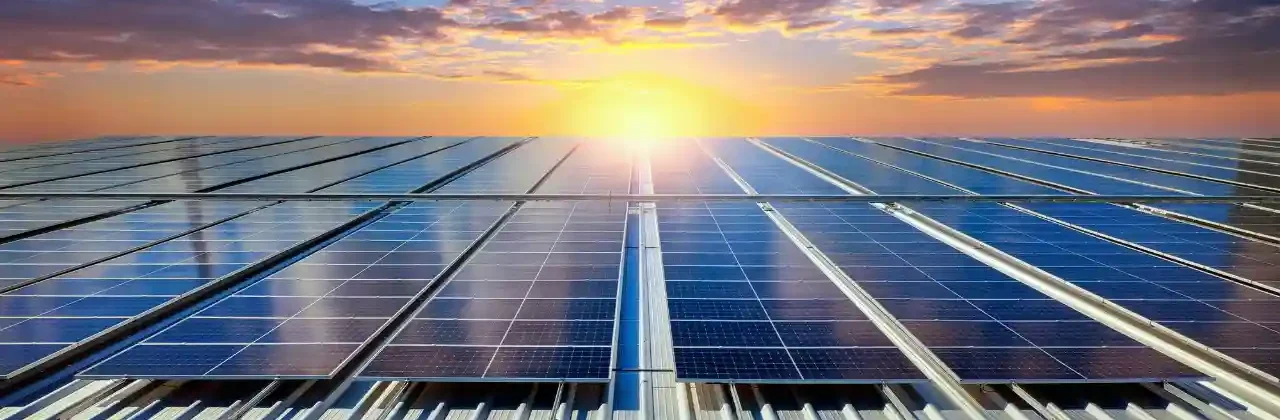
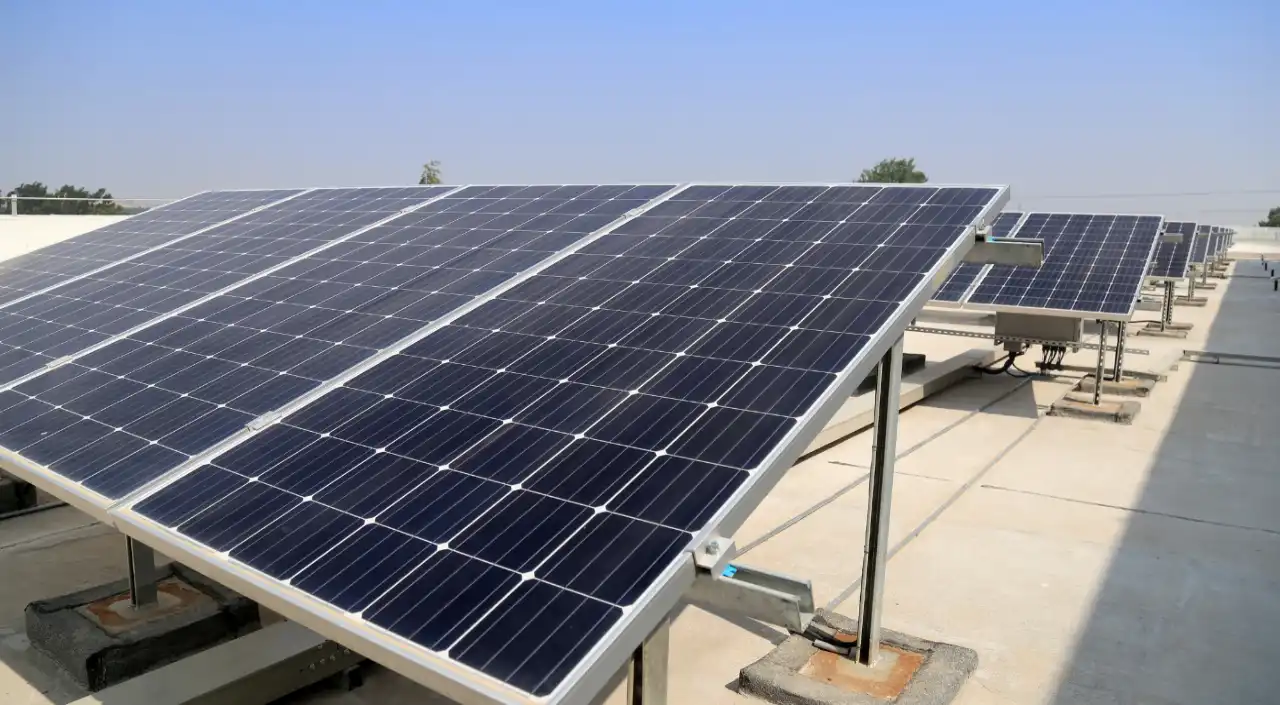
Solar energy systems rely on utilizing the sun's rays to generate electricity or heat water, which contributes significantly to the provision of clean and sustainable energy. These systems help reduce the operating costs of buildings through several key factors:
Significantly reduce electricity bills:
Most traditional buildings rely on electricity generated from non-renewable sources such as coal or natural gas, which leads to higher building operating costs due to increased monthly electricity consumption. But with the installation of solar cell systems, electricity can be self-generated, reducing the need to purchase power from electricity service providers. In some cases, solar systems can produce surplus electricity, which allows building owners to sell this energy to the public grid for financial compensation, resulting in additional returns in the long run.
Lower maintenance costs compared to traditional energy sources:
One of the most prominent advantages of solar energy is that it does not require extensive maintenance, as solar panels have a lifespan that exceeds 25 years with the need for simple maintenance such as cleaning the panels and checking electrical transformers every now and then, unlike fuel-powered generators, which need regular maintenance and frequent repairs, renewable energy such as solar energy provides a more sustainable solution with minimal operating costs.
Protection against electricity price fluctuations:
Traditional energy users face constant fluctuations in electricity prices due to changing fossil fuel prices, leading to higher energy consumption costs. But with an investment in solar energy, building owners can Cost Control and minimize their operating expenses, as sunlight is free and unaffected by global markets.
Improving the energy efficiency of buildings:
Solar energy systems contribute to improving energy efficiency, especially when combined with other technologies such as thermal insulation, energy-efficient windows, and smart energy management systems. These technologies help reduce electricity consumption and achieve additional energy savings, which directly translates into lower operating costs for buildings.
The role of solar energy in the development of sustainable buildings
Reduce carbon footprint and promote environmental sustainability:
Prepare Solar power One of the cleanest and most important renewable energy sources, solar energy produces no carbon emissions during operation, making it an ideal choice for buildings that aim to achieve environmental sustainability. Compared to traditional energy sources, such as coal and natural gas, which directly contribute to higher operating costs, air pollution, and increased levels of carbon dioxide in the atmosphere, the use of solar energy minimizes adverse environmental impacts and limits climate change.
Incorporating solar cells into sustainable buildings offers a great opportunity to save energy and reduce reliance on fossil fuels, thereby protecting natural resources and preserving the ecosystem. Instead of relying on electricity from power plants that consume huge amounts of water and emit harmful emissions, solar energy allows buildings to produce electricity in an environmentally friendly way.
Moreover, the use of solar energy systems helps reduce operating costs in the long term, as buildings can achieve significant energy savings thanks to their partial or complete independence from the traditional electricity grid. In addition, solar energy reduces the load on national power grids, minimizing the need for additional power plants and reducing pollution from conventional electricity production.
Supporting Smart Cities and Sustainable Communities:
As the concept of smart cities evolves, solar cell energy has become a key element in the planning of modern cities and communities. Relying on renewable energy reduces the strain on traditional electrical grids and leads to sustainable energy provision, increasing the efficiency of natural resource consumption and reducing long-term operating costs.
Sustainable solar-powered buildings not only utilize the sun's rays to generate electricity, but are integrated with smart systems capable of storing and redistributing excess energy when needed, increasing building efficiency and reducing electrical losses. These technologies are pioneering solutions to support smart cities, where buildings can become small energy production units that contribute to the stabilization of the public electricity grid.
The use of solar energy in the design of city infrastructure promotes energy independence, which helps improve the level of public services, such as lighting, transportation systems, and healthcare facilities. For example, traffic lights and lampposts can be powered by solar energy, reducing operating costs and freeing up additional resources to invest in other development projects.
In addition, smart cities that rely on renewable energy enhance the quality of life for their residents, providing a clean and healthy environment that reduces pollution levels and minimizes health issues resulting from exposure to fossil fuel emissions. The use of solar energy to power homes, commercial buildings and public facilities contributes to the vision of sustainable cities, which aims to reduce dependence on non-renewable resources and ensure a greener and more sustainable future for future generations
The financial returns of investing in solar energy
Investing in Solar power a sustainable economic option that realizes Financial Returns in the long run. Contributes to Reduce electricity costs by reducing reliance on traditional energy sources, which has a positive impact on individual and corporate budgets.
Also, the Tax breaks and government incentives increases the economic viability of the project, as well as the possibility of Selling surplus electricity to the power grid, generating an additional source of income. Furthermore, the Low-cost solar panel maintenancemaking the return on investment high and sustainable. With these benefits, investing in solar energy is a smart choice for a more sustainable and profitable future.
Long-term financial savings:
Although the cost of installing solar energy systems may seem high at first, the financial returns in the long run make it a worthwhile investment. After the initial payback period, the electricity produced from solar power is free, resulting in sustainable energy and significantly reducing the operating costs of buildings.
Utilizing government incentives and funding:
In many countries, governments offer financial incentives to support the transition to renewable energy, such as tax credits, subsidized financing programs, and financial assistance for installing solar energy systems. These incentives make it easier for individuals and businesses to invest in solar energy and capitalize on its economic and environmental benefits.
Increased real estate value:
Research shows that solar-powered properties have a higher market value than traditional properties. Buyers prefer buildings that offer solar cells, which provide long-term energy savings and reduce the operating costs of the property, which is a type of Real estate investment Long-lasting.
Conclusion
Solar energy is one of the most efficient solutions for achieving energy savings and reducing the operating costs of buildings, whether in residential homes or commercial and industrial facilities. With increasing reliance on renewable energy, solar energy systems have become an essential part of sustainable building designs that aim to minimize environmental impact and enhance energy efficiency. Investing in solar energy not only saves money, but also creates a more sustainable environment and protects consumers from energy price fluctuations. Making the decision to switch to renewable energy is a smart move towards reducing operational expenses and contributing to a more sustainable future