




The importance of occupational safety and health in large construction projects
The importance of occupational safety and health in construction projects has become one of the main pillars of any construction project, especially in mega projects that require careful management and continuous follow-up to ensure a safe working environment for workers, engineers and technicians. Mega projects pose multiple challenges, including risks resulting from heavy equipment, working at high heights, dealing with chemicals, and environmental impacts that may affect the health and safety of workers. Providing a safe working environment has a positive impact on productivity, quality, and sustainability, as it minimizes accidents and ensures that work continues without unexpected interruptions.
With the recent trends towards sustainable building construction, integrating occupational safety and health and renewable energy requirements has become an integral part of building strategies. Relying on solar energy sources, for example, not only saves energy and reduces operating costs, but also minimizes the risks associated with traditional generators and complex electrical connections. Effective occupational safety and health management not only minimizes risks, but also improves the efficiency and long-term sustainability of the project.
Strategies and importance of occupational safety and health in construction projects
Large-scale construction projects require comprehensive and integrated occupational safety and health management strategies to protect workers and ensure that work continues efficiently without exposing people or equipment to hazards. These strategies include careful planning before the start of the project, continuous monitoring during implementation, and the application of the latest technologies to detect and minimize potential risks. Here are the most important of these strategies with details.
Continuous training
Continuous training for workers and engineers is the cornerstone of a safe and sustainable work environment. This includes periodic training sessions to teach them global safety standards, such as those issued by the OSHA or local authorities in Saudi Arabia. Emphasis is placed on educating workers on the types of potential hazards (such as falls from heights, or electrical accidents), training them to use safety tools effectively, and how to respond quickly to incidents through simulated emergency scenarios. The training also includes teaching daily preventive measures, such as checking equipment before use and immediately reporting any malfunctions.
Provision of personal protective equipment (PPE)
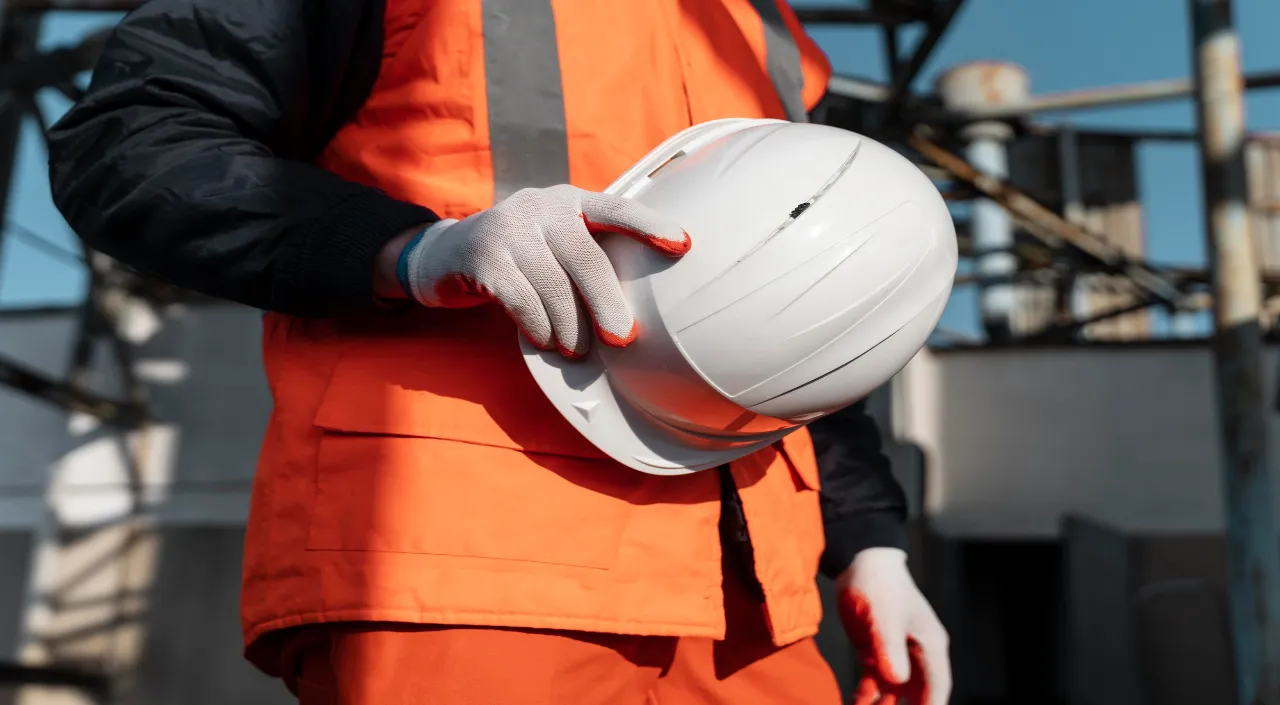
Personal protective equipment (PPE) is the first line of defense to protect workers on construction sites from various hazards. This equipment includes Helmets resistance to shocks. Protective shoes with iron tips to prevent falling objects. Gloves designed to handle sharp or chemical substances, andSeat belts with durable ropes for working at heights. We ensure that this equipment is provided with high quality and appropriate sizes for each worker, with periodic checks to ensure its safety and replace damaged ones immediately, minimizing the risk of serious injuries such as fractures or deep cuts.

Good site planning
Ensuring safety in mega projects requires careful planning of site distribution and organization before work begins. This includes the design of Clear movement paths machines and workers to avoid interference or accidents, and specify Hazardous areas (such as where cranes are used or deep pits) with clear warning signs and physical barriers. They are also designed Safe pathways for emergencies Adequate lighting and directional signage to ensure a quick and orderly exit for workers in case of fire or collapse. In addition, a construction waste management plan should be in place to prevent the accumulation of materials that may cause hazards such as slips or fires.
Utilizing modern technology:
Modern technologies play a huge role in optimizing the standards of Occupational Safety and Healthsuch as sensor systems to detect gas leaks, drones to monitor construction sites, and robots that carry out dangerous work instead of humans.
In projects that rely on solar and renewable energy, these strategies are complemented by special standards related to protecting equipment, ensuring safe installation and maintenance, and training workers to handle energy-saving systems efficiently and safely. Integrating occupational safety with sustainability standards reduces operating costs, minimizes accidents, and ensures continuity of work without unexpected interruptions.
The role of technology and innovation in enhancing safety standards
with Technological development Rapidly, modern innovations have become an effective means of enhancing occupational safety and minimizing risks in mega projects. AI, robotics, and IoT are being employed in many aspects to ensure a safer and more efficient work environment.
- Smart surveillance systems: AI-connected cameras provide real-time analysis of the site, helping to detect potential hazards before they occur.
- Wearables: Such as smart helmets that measure a worker's body temperature, stress level, and alert them in case of any danger.
- Analyze big data: Analyzing past incident data makes it possible to predict future risks and take appropriate preventive measures.
In projects that rely on solar energy, smart systems are used to monitor the efficiency of the solar panels, detecting any abnormalities in performance before major issues occur. These technologies save energy more efficiently, reducing operating costs and keeping the project sustainable. The use of smart energy in lighting and air conditioning in sustainable buildings helps reduce energy consumption and increase the efficiency of operational systems.
The role of renewable energy in enhancing occupational safety in construction projects
Renewable energy is key to achieving safer and more sustainable working environments in large-scale projects. When using Solar power As an alternative source of energy on construction sites, the risks associated with traditional generators, such as harmful emissions and the potential for fires or electric shocks, are minimized. Modern construction projects rely on smart energy systems to ensure critical equipment runs efficiently and effectively. These systems not only provide sustainable solutions, but also help reduce operational expenses associated with generator maintenance and the purchase of fossil fuels, furthering the concept of energy savings and lowering operating costs.
In addition, integrating renewable energy systems into workplaces minimizes the environmental impact caused by the use of traditional energy sources. This step is key to achieving global sustainability standards, especially in the construction of sustainable buildings that require innovative technologies to ensure long-term operational efficiency. By investing in clean energy sources, companies can create workplaces that not only minimize accidents, but also contribute to protecting the environment and enhancing worker well-being.
Corporate and community partnerships for sustainability and safety
The importance of partnership between companies and society in promoting occupational safety and sustainability in mega projects cannot be overlooked. This partnership contributes to building a culture that is aware of the importance of preserving the environment and protecting workers, supporting the integration of the concept of sustainable buildings and energy saving with occupational safety requirements.
For example, HEMMCO seeks to engage the local community in its projects by educating residents and workers on the importance of using solar and renewable energy as a way to minimize environmental and occupational risks. These initiatives promote awareness of the need for innovation and sustainability at all stages of a project, from design to implementation.
Moreover, a commitment to project sustainability is reflected in the development of a work environment that supports worker safety and well-being, reducing accident rates and ensuring business continuity and efficiency. As the demand for projects that strike a balance between sustainability and efficiency increases, it is imperative for companies to adopt integrated strategies that include occupational safety and the efficient use of clean energy sources.
Through these joint efforts, a future vision of building innovative and cost-effective projects that balance economic efficiency and environmental sustainability can be realized, making them a model for the construction industry.
HAMMCO and its role in occupational safety and health management
The company plays Hmmm al-Aruba "HIMMCO plays a pivotal role in promoting occupational safety and health standards in mega projects, adopting a holistic approach that focuses on prevention, training, and continuous development to ensure a risk-free work environment.
HAMMCO adopts global best practices in occupational safety management, with a focus on projects that rely on renewable energy such as solar energy projects. The company's role is to:
- Develop customized safety strategies for each project based on risk analysis and identify appropriate solutions.
- Provide specialized training for workers and engineers to ensure the highest safety standards are followed.
- Integrating sustainability techniques with safety standards, ensuring the construction of sustainable buildings that minimize environmental impact and achieve high operational efficiency.
- Reduce operating costs by improving safety measures and minimizing accidents that could lead to work stoppages or significant financial losses.
By adhering to these principles, HIMMCO balances occupational safety with technical innovation, ensuring that large-scale projects are executed to the highest international standards.
Conclusion
Occupational safety and health is an essential pillar to ensure the success of large-scale construction projects, as it ensures the protection of lives, minimizes risks, and achieves sustainability. With the increasing trend towards sustainable buildings and the use of solar and renewable energy, it has become necessary to adopt smart solutions to achieve energy savings and reduce operating costs while adhering to the highest safety standards, and thanks to the efforts of specialized companies such as HIMMCO, safe working environments are enhanced and world-class mega projects are ensured. The future depends on the integration of technology, safety and sustainability, enabling the construction of projects that support the economy, protect the environment and achieve high operational efficiency.