




The best smart alarm systems to protect buildings and facilities in Saudi Arabia
In light of the technological boom in smart alarm systems in the building and construction sector, the need to enhance building security has become an urgent necessity, especially in light of the complexity of the architectural structure and its dependence on interconnected electrical and mechanical components. In this regard, smart alarm systems have emerged as one of the advanced solutions that enhance the concept of building safety and effectively contribute to the prevention of potential hazards such as fires, leaks, intrusions, or technical failures.
With the development of alarm technology, these systems can be integrated into the architecture of modern buildings in a seamless and integrated manner, achieving rapid response and accurate and timely alerts, minimizing risks and preserving lives and property. These systems are no longer limited to a traditional smoke detector, but have evolved to include heat sensors, thermal cameras, advanced motion sensors, in addition to linking with smart grids and centralized control systems.
The concept of using smart alarm systems in building security
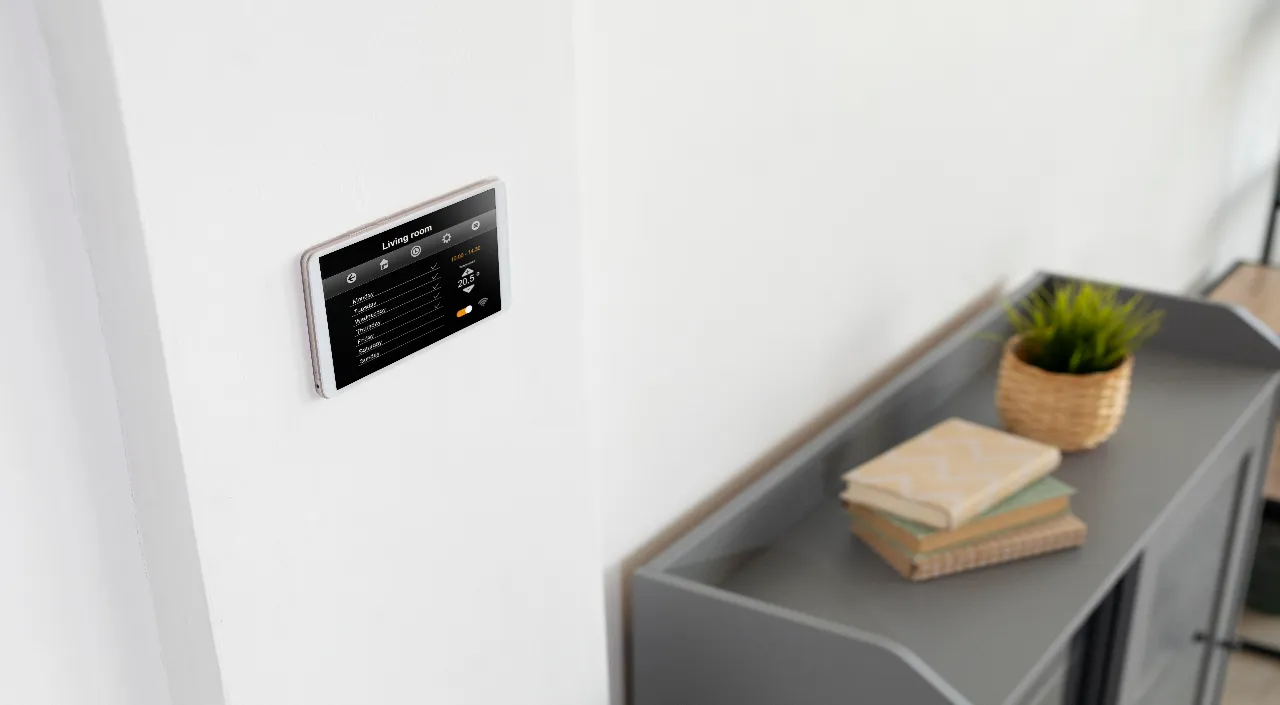
The traditional concept of building security has undergone a radical transformation in recent years, thanks to the development of smart control systems. Today's smart alarm systems are more sophisticated and adaptable to changing environmental conditions, as they can read and analyze ambient variables with high accuracy, and react instantly to events through artificial intelligence and machine learning. These systems are able to make proactive decisions based on data patterns, increasing efficiency and reducing false alarms. This advanced ability to learn and analyze has made alarm technology an indispensable element in the design of modern buildings, and a strategic pillar in developing sustainable building safety plans that are in line with smart security standards and future technologies.
The role of smart alarm systems in modern buildings
Chir Alarm systems Smart is an integrated set of hardware and software developed specifically for the early detection of potential incidents or hazards, issuing automatic alerts that are sent directly to the competent authorities or occupants of the building at the right moment.

These systems are capable of intelligently analyzing data from various sensors, significantly reducing false alarms and improving alert efficiency and accuracy.
In the modern building environment, from the earliest stages of design and architecture, these advanced systems are integrated into the building's infrastructure, becoming part of a connected smart system that monitors, analyzes, and responds to events in real time. From there, the building security system is enhanced with accurate alarm technology that monitors multiple indicators including heat, motion, vibration, smoke, and even indoor air quality, increasing the level of building safety and keeping pace with modern security requirements.
Types of smart alarm systems and technologies
Smart fire alarm systems:
It relies on accurate sensors capable of detecting smoke, heat, and flame in its early stages. Intelligent fire detection alarm systems link detectors to the monitoring center and send alerts directly via intranets or mobile apps to minimize response time.

Intrusion detection systems:
With threats of theft or unauthorized entry on the rise, these systems are essential for protecting building security. They include infrared motion sensors, AI-linked surveillance cameras, and detectors for breaking windows or unauthorized door openings.
Fault and malfunction detection systems:
In modern buildings that rely on integrated electrical systems, alarm technology monitors the networks and alerts technicians when faults are detected, water leaks, or appliances overheat.
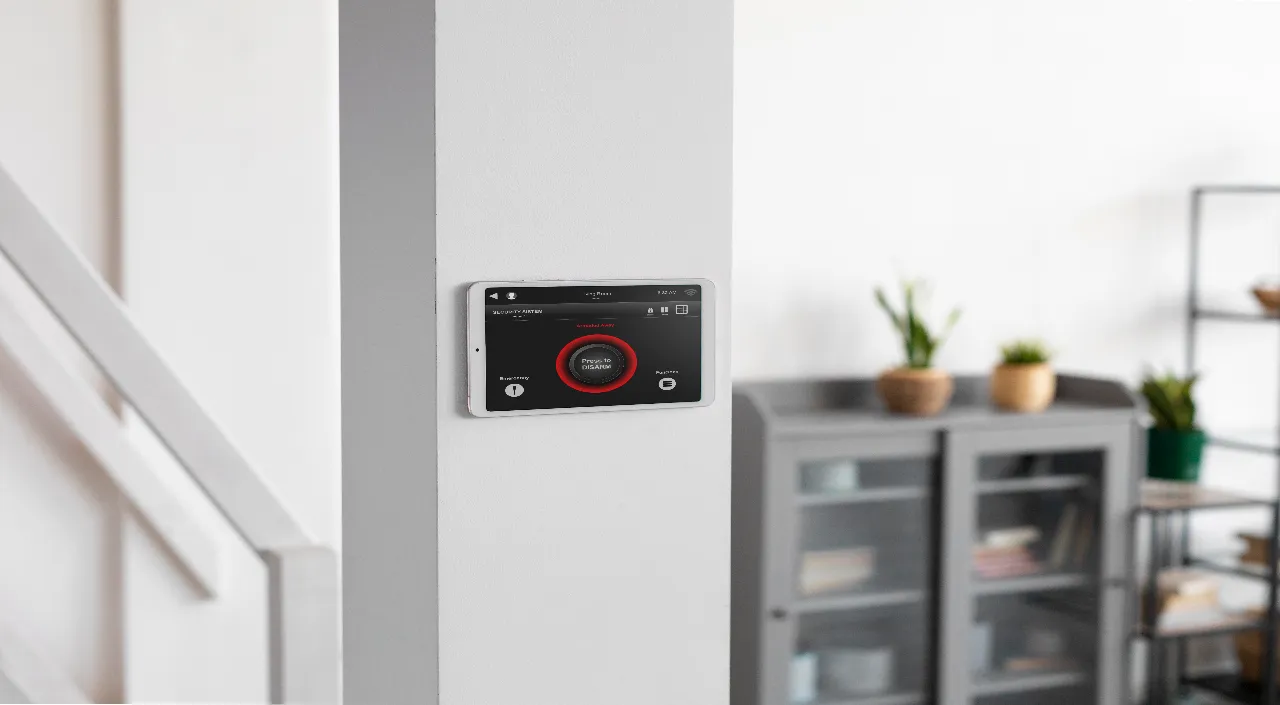
Environmental and smart alarm for convenience:
Some smart alarm systems are used to monitor air quality, carbon dioxide levels, or humidity, contributing to building safety and occupant health, especially in commercial, educational, and hospital buildings.
Integrating smart alarm systems with modern building architecture
The success of implementing smart alarm systems in a project depends on their ability to integrate with the building's infrastructure. In modern buildings, these systems are integrated with technologies such as centralized control, energy management, elevators, and smart lighting, forming a connected environment that is centrally managed.
This integration maximizes building security through real-time interaction between systems. For example, when a fire is detected, the system can automatically open emergency exits, activate automatic sprinkler systems, and suspend the use of elevators, while broadcasting audio and visual notifications to residents.
The importance of smart alarm systems in enhancing building safety
Smart alarm systems play a pivotal role in increasing the safety of buildings:
- Early detection of accidents.
- Immediate response by security or civil defense teams.
- Minimize material and human losses.
- Increase the confidence of the users and occupants of the building.
- Compliance with civil defense regulations and smart building systems.
The presence of accurate alarm technology in the buildings also contributes to reducing insurance costs and enhances the project's classification as a smart and sustainable building.
Challenges in implementing smart alarm systems
Despite its benefits, the implementation of smart alarm systems faces a number of challenges, most notably:
- The high initial costs of installing advanced systems in modern buildings.
- Lack of technical competencies capable of maintaining and operating these systems.
- Signal interference is sometimes caused by the expansion of wireless systems.
- The need for constant updating to ensure the system is compliant with technical updates and cybersecurity risks.
However, the long-term return on investment in terms of reduced losses and increased building security makes these costs justifiable and makes sense to sort and inventory.
The role of advanced technology in the development of smart alarm systems
The evolution of alarm technology has transformed the alarm system from a simple sensor to an integrated system powered by artificial intelligence and machine learning:
- Analyze behaviors and identify suspicious patterns.
- Predict failures before they happen based on advance data.
- Improve response accuracy based on the type of threat.
- Connecting with smart control centers in modern cities.
Advances in the Internet of Things (IoT) have enabled systems to interact with multiple devices, making smart alarm systems more effective in detecting hazards and sending alerts in real time.
The future of smart alarm systems in modern buildings
The future of smart alarm systems is expected to see further advances with developments in:
- Predictive AI to anticipate potential accidents.
- Using augmented reality to train technicians to work with systems.
- Adopt blockchain technology to document the history of events and alerts and protect them from tampering.
- Drones to observe unseen surfaces and corners.
All of this serves to reinforce Safety of buildings Achieving the highest levels of building security within the parameters of sustainability and technology.
Conclusion
In conclusion, smart alarm systems are an essential element of Modern building designThey are not just detection tools, but an integrated security system that relies on advanced alarm technology to protect lives and property.
As the world becomes increasingly concerned with achieving the highest standards of building safety, these systems are becoming an indispensable part of any future construction project.
Investing in and continuously developing these systems, and integrating with trusted technology providers, is a strategic step towards enhancing building security and realizing a safer and smarter living and working environment.